The Best Prep Methods for a Flawless Ceramic Coating in Ceramic Coating Houston
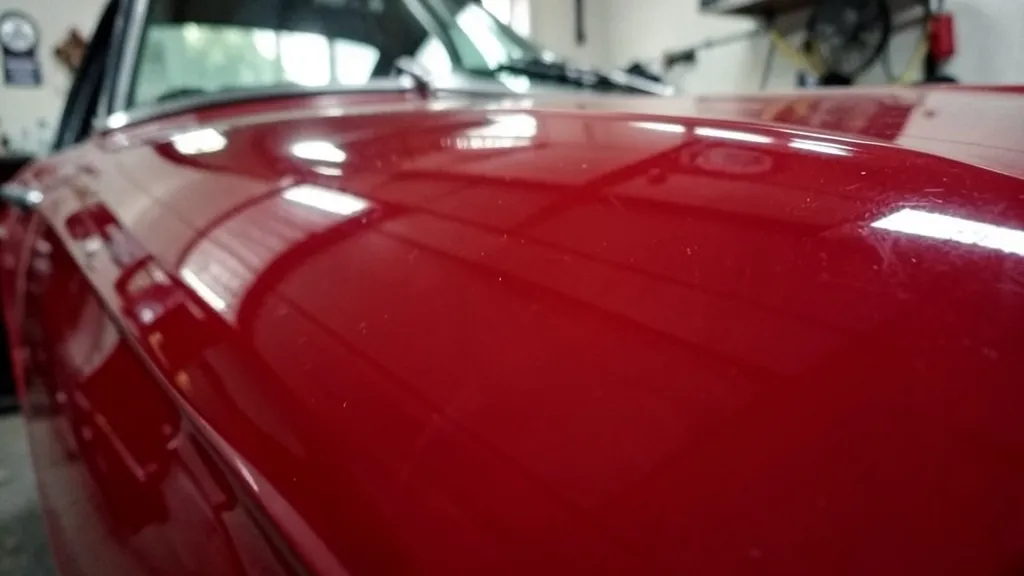
A ceramic coating is only as good as the prep work beneath it. In Houston’s humid climate, proper surface preparation is non-negotiable to ensure adhesion, longevity, and that mirror-like finish. We’ll break down the expert steps our team uses to deliver flawless results every time.
Why Prep Work Makes or Breaks Your Ceramic Coating
Ceramic coatings bond at a molecular level to your vehicle’s clear coat. Any contaminants, imperfections, or residual products will compromise adhesion and durability.
Houston’s pollen, industrial fallout, and road grime demand meticulous decontamination before application. Skipping steps here leads to premature failure or uneven curing.
Step 1: Thorough Washing and Decontamination
Start with a two-bucket wash using pH-neutral automotive shampoo to remove loose dirt. This prevents swirl marks during deeper cleaning.
Next, use a clay bar or clay mitt with lubricant to pull embedded contaminants from the clear coat. Iron remover sprays help dissolve brake dust and rail dust common on Houston highways.
After claying, rinse and dry the vehicle immediately. Houston’s humidity can cause water spots to etch into the paint if left too long.
Step 2: Paint Correction to Remove Imperfections
Paint correction involves machine polishing to eliminate swirl marks, oxidation, and light scratches. This step restores clarity and ensures a smooth surface for the coating to adhere to.
We use dual-action polishers with varying grit compounds tailored to your paint’s condition. Houston’s intense sun can accelerate oxidation, making this step critical for older vehicles.
Step 3: Measuring Paint Thickness for Safety
Before polishing, we measure paint thickness with a gauge to avoid over-correcting. Thin paint, common on hoods and bumpers, requires gentler techniques.
This step prevents burning through the clear coat, which is irreversible and costly to repair. It’s a standard practice for high-end vehicles and fleet services in areas like Ceramic Coating in The Woodlands or Katy.
Step 4: Final Surface Cleaning with IPA
After correction, we perform a final wipe-down with isopropyl alcohol (IPA) to remove polishing oils, fingerprints, and any remaining residues. This ensures a chemically clean surface.
Using lint-free microfiber towels, we inspect the paint under LED lights to catch any missed contaminants. This step is often overlooked but critical for coating performance.
Never apply ceramic coating over wax, sealants, or silicone-based products. These create a barrier that prevents proper bonding.
How Prep Differs for New vs. Used Vehicles
New vehicles often require less correction but still need decontamination from factory oils, adhesive residues, or rail dust from transport.
Used vehicles, especially those in high-traffic areas like Ceramic Coating in Sugar Land or Pearland, typically need extensive paint correction to address years of wear, swirls, and UV damage.
| Factor | New Vehicles | Used Vehicles |
|---|---|---|
| Decontamination | Light claying, iron remover | Deep claying, iron remover, tar removal |
| Paint Correction | Minimal polishing (if any) | Multi-stage polishing for swirls/oxidation |
| Paint Thickness Check | Recommended | Mandatory |
| Final IPA Wipe | Required | Required |
Prep for Specialty Services: PPF, Wheels, and More
For Paint Protection Film (PPF) installation, prep includes removing old film, deep cleaning, and sometimes claying the edges to ensure seamless adhesion.
Wheel and brake caliper ceramic coating requires stripping old brake dust, degreasing, and sanding to bare metal for maximum durability. This is popular among performance car owners in Ceramic Coating in Katy.
Interior ceramic protection and headlight restoration also demand specialized prep, like plastic cleaners or sanding for yellowed headlights.
Houston-Specific Challenges and Solutions
Houston’s humidity and frequent rain mean water spots and mineral deposits are common. We use pH-balanced cleaners and deionized water rinses to prevent etching.
Industrial areas near Pasadena or the Ship Channel can leave heavier contamination. Extra decontamination steps, like repeated claying, may be needed before coating.
Houston Prep Checklist
- Wash with pH-neutral shampoo in shaded area
- Clay bar treatment with lubricant
- Iron remover application for brake dust
- Dry vehicle thoroughly to prevent water spots
- Inspect under LED lights for missed contaminants
How to Prep Your Car for Ceramic Coating at Home
While professional prep is ideal, here’s how to tackle basic steps yourself before bringing your vehicle to us.
- 1Wash the Vehicle
Use the two-bucket method with grit guards and a high-quality automotive shampoo. Dry with a clean microfiber towel to avoid water spots.
- 2Decontaminate with Clay
Spray lubricant on a small section and gently rub the clay bar over the surface. Wipe dry and repeat until the entire vehicle is smooth to the touch.
- 3Apply Iron Remover
Spray iron remover on panels, let it dwell for 3-5 minutes, then rinse thoroughly. This dissolves embedded brake dust and rail dust.
- 4Inspect and Dry
Use a clean microfiber towel to dry the vehicle completely. Check for missed contaminants or swirls under direct light.
- 5Final IPA Wipe
Mix 50/50 isopropyl alcohol and distilled water. Wipe down all surfaces with a lint-free towel to remove oils or residues before coating.
Frequently Asked Questions
How long does prep work take for ceramic coating in Houston?
Prep time varies based on the vehicle’s condition. A new car may take 4-6 hours, while a heavily corrected vehicle can require 8-12 hours. Humidity and temperature in Houston can also affect drying times between steps.
Can I skip paint correction before ceramic coating?
Skipping correction will trap swirls, scratches, and oxidation under the coating, making them permanent. The coating amplifies imperfections, so correction is essential for a flawless finish.
What’s the difference between prep for ceramic coating and PPF?
PPF prep is more aggressive, often requiring removal of old film and deeper cleaning to ensure adhesion. Ceramic coating prep focuses on decontamination and light correction, while PPF prep may include sanding or priming edges.
Do you offer mobile prep services for ceramic coating in Houston?
We perform all prep work in our controlled environment to ensure consistency and quality. Mobile services are limited to consultations and post-coating inspections for areas like Ceramic Coating in Pearland or The Woodlands.
How does Houston’s climate affect ceramic coating prep?
Houston’s humidity can slow drying times and increase the risk of water spots. We use dehumidifiers and controlled environments to mitigate these issues, ensuring a perfect surface before coating.
Is ceramic coating prep the same for all vehicles?
No. Luxury or exotic vehicles often have softer paint that requires gentler correction. Fleet vehicles or daily drivers in high-traffic areas like Sugar Land may need more aggressive decontamination and correction.