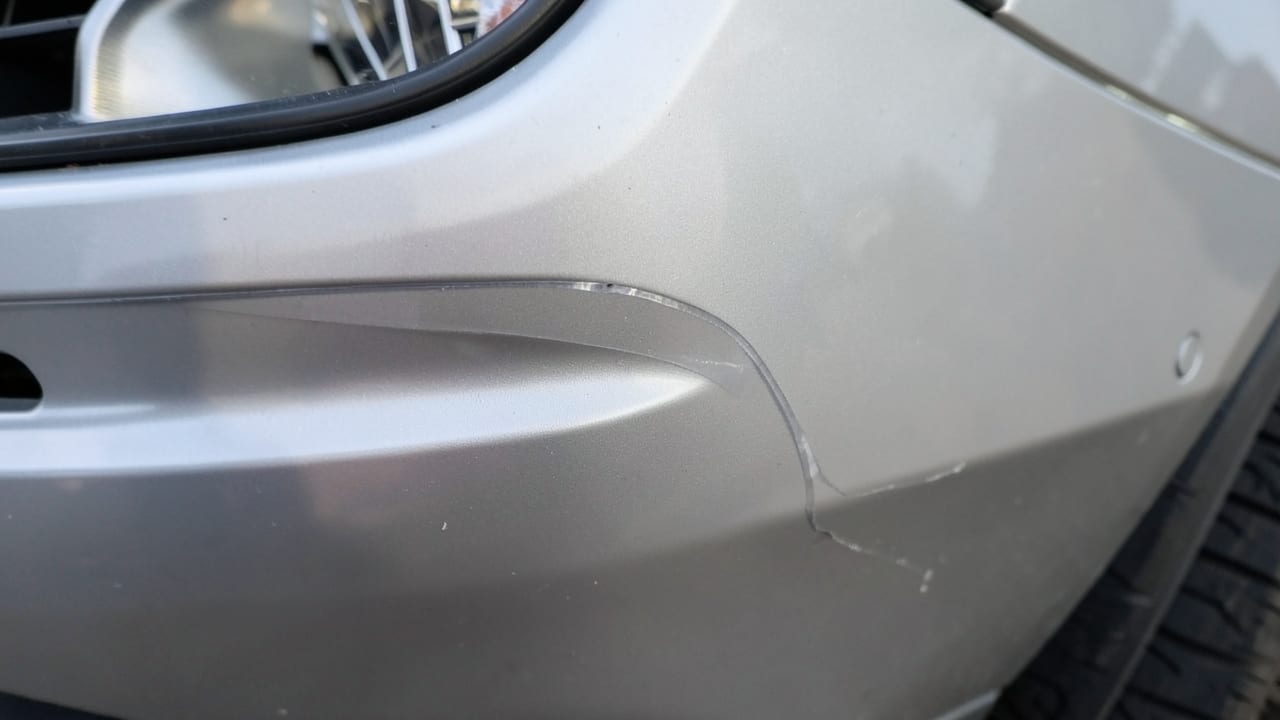
Paint Protection Film (PPF) Installation
Self-healing clear PPF installation in Houston, TX for high-impact panels or a full-body wrap — real physical protection against rock chips and road debris.
Protect your Houston vehicle’s paint from rock chips, bugs, and road debris with professional Paint Protection Film (PPF) installation. Our clear, self-healing urethane film acts as a physical barrier, preserving your car’s finish in the city’s tough driving conditions.
Why PPF Beats Ceramic Coating for Impact Protection
Ceramic coatings add gloss and repel contaminants, but they can’t stop physical damage. PPF is a thick, durable film that absorbs rock chips and minor abrasions, shielding your paint from Houston’s highways and construction zones.
We also handle Pre-Event Showroom Gloss Enhancement and Full-Vehicle Ceramic Coating for Houston vehicles.
The film’s self-healing top layer repairs light scratches and swirls with heat from sunlight or a heat gun, keeping your vehicle looking pristine. Unlike coatings, PPF provides a tangible barrier—ideal for high-impact areas like the hood, bumper, and fenders.
| Protection Type | Stops Rock Chips | Self-Healing | Best For |
|---|---|---|---|
| PPF | Yes | Yes (top layer) | Physical damage, high-impact areas |
| Ceramic Coating | No | No | Gloss, easy cleaning, UV protection |
| PPF + Ceramic Coating | Yes | Yes (film only) | Maximum protection + easy maintenance |
Coverage Options Tailored to Your Houston Vehicle
We offer flexible PPF coverage to match your budget and driving habits. A partial front-end kit protects the most vulnerable areas—hood edge, bumper, mirrors, and fender leading edges—while full-hood-and-fender or full-body wraps provide complete defense.
Before recommending a package, we’ll walk your vehicle and show you real-world wear patterns from similar cars in Houston. This ensures you get the right level of protection without overpaying for unnecessary coverage.
Common PPF Coverage Areas
- Hood (partial or full)
- Front bumper
- Fenders and mirrors
- Rocker panels
- Full-body wrap (for complete protection)
Precision Installation in a Dust-Controlled Space
Our PPF installation process starts with computer-generated patterns tailored to your vehicle’s make and model. This ensures a precise, wrapped-edge fit with no lifting at panel gaps, critical for long-term durability.
Cleanliness is non-negotiable—we prepare each panel in a dust-controlled workspace to prevent imperfections. Even a single speck of dust trapped under the film can create visible bumps, so we take the time to get it right.
How PPF Installation Works
Our step-by-step process ensures a flawless, long-lasting finish.
- 1Vehicle Inspection & Prep
We thoroughly clean and decontaminate the vehicle’s surface to remove wax, oils, and debris. This step ensures the film adheres properly and prevents bubbles or lifting.
- 2Pattern Cutting
Using computer-generated templates, we cut each PPF panel to match your vehicle’s exact dimensions for a seamless, factory-like fit.
- 3Film Application
We apply the film in a dust-controlled environment, carefully stretching and wrapping edges to avoid gaps. Heat is used to activate the adhesive and contour the film to curved surfaces.
- 4Final Inspection & Coating (Optional)
After installation, we inspect every panel for perfection. If desired, we can apply a ceramic coating over the PPF for added slickness and UV protection.
Frequently Asked Questions
How long does PPF last on a Houston vehicle?
High-quality PPF typically lasts 5–10 years with proper care. Houston’s intense UV exposure and heat can slightly reduce longevity, but regular washing and avoiding harsh chemicals will extend its life.
Will PPF yellow over time?
Modern PPF is UV-resistant and designed to stay clear for years. Cheap or older films may yellow, but we use premium materials that maintain optical clarity under Houston’s sun.
Can PPF be removed without damaging paint?
Yes, when installed by professionals. PPF is designed to be safely removed, though it may leave slight adhesive residue that can be cleaned off. Avoid DIY removal to prevent paint damage.
Is PPF worth it for a daily driver in Houston?
Absolutely. Houston’s roads are tough on paint—construction debris, gravel, and bugs can cause costly damage. PPF protects your investment and maintains resale value far better than touch-up paint or repairs.
See Aldine, TX for more, or see the full ceramic coating lineup we run in Houston in detail for our complete lineup.
Ready to get started?
Talk to a local ceramic coating pro in Houston — get a written quote.
Other Ceramic Coating Services in Houston
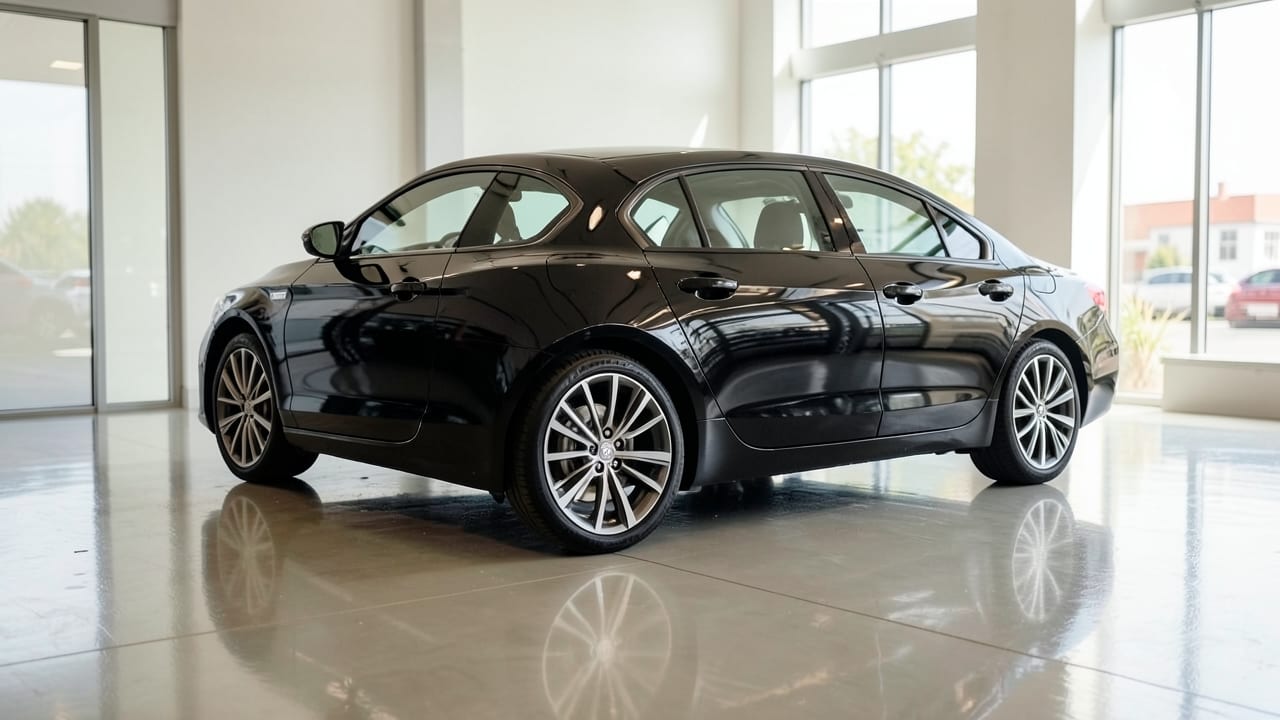
Pre-Event Showroom Gloss Enhancement in Houston, TX
Professional ceramic coating application to enhance vehicle paint gloss before events.
Learn More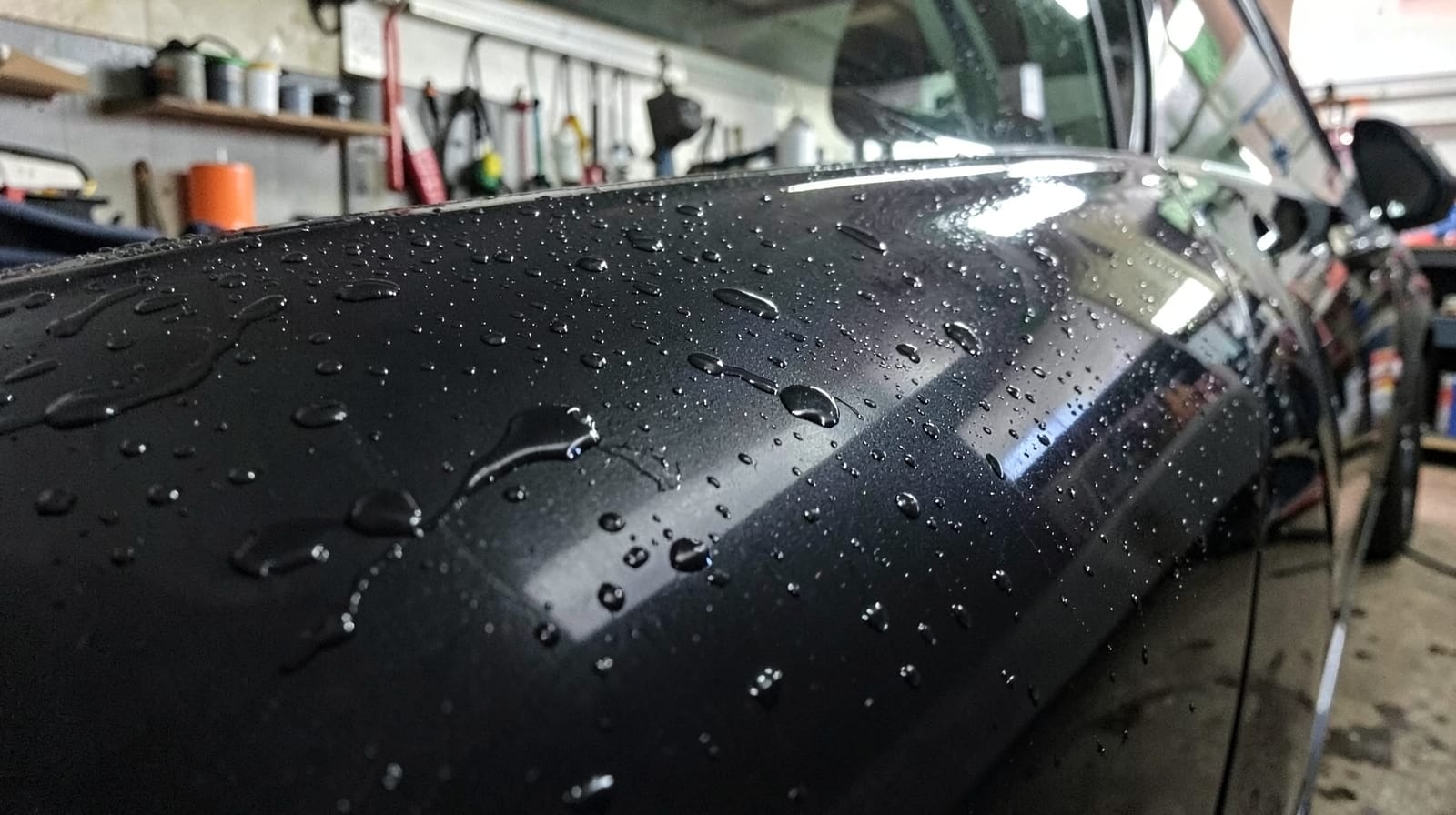
Full-Vehicle Ceramic Coating in Houston, TX
Professional nano-ceramic coating for vehicles in Houston, TX — a hard, semi-permanent SiO2 layer for deep gloss, strong hydrophobic protection, and easier washing.
Learn More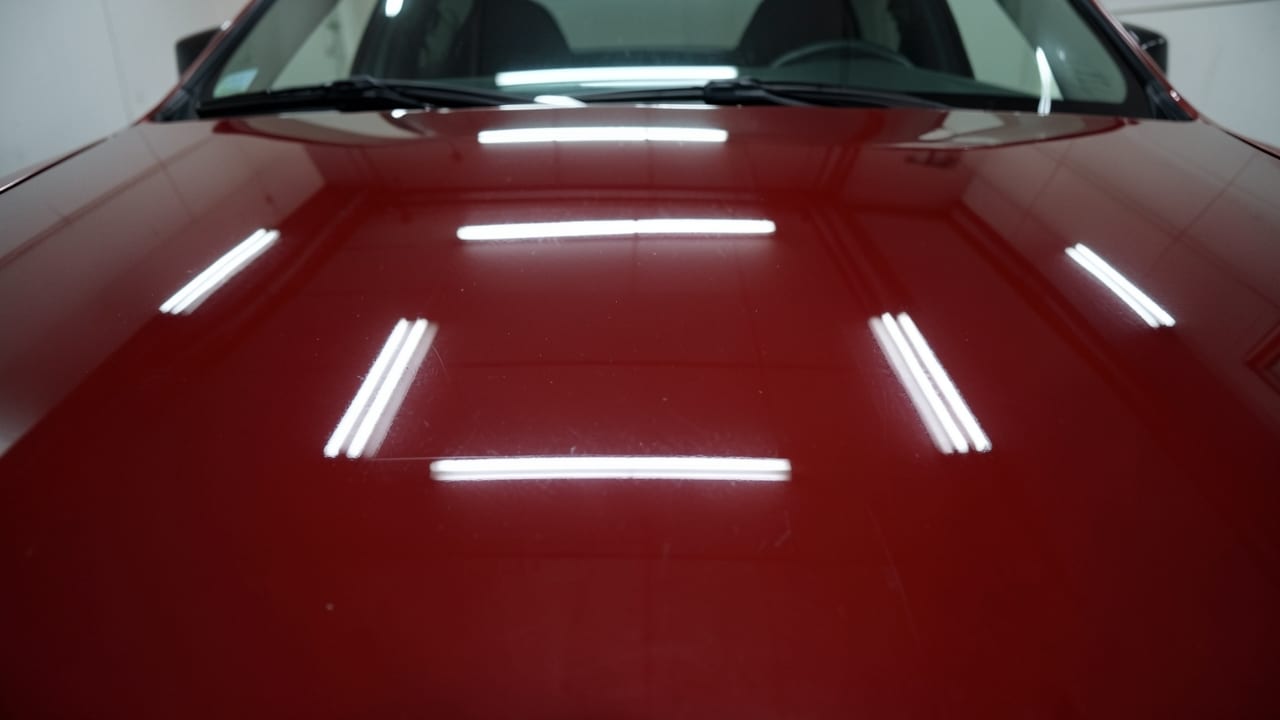
Paint Correction & Polishing in Houston, TX
Machine paint correction and polishing in Houston, TX — removes swirl marks, oxidation, and water spots, and is the mandatory first step before any ceramic coating.
Learn More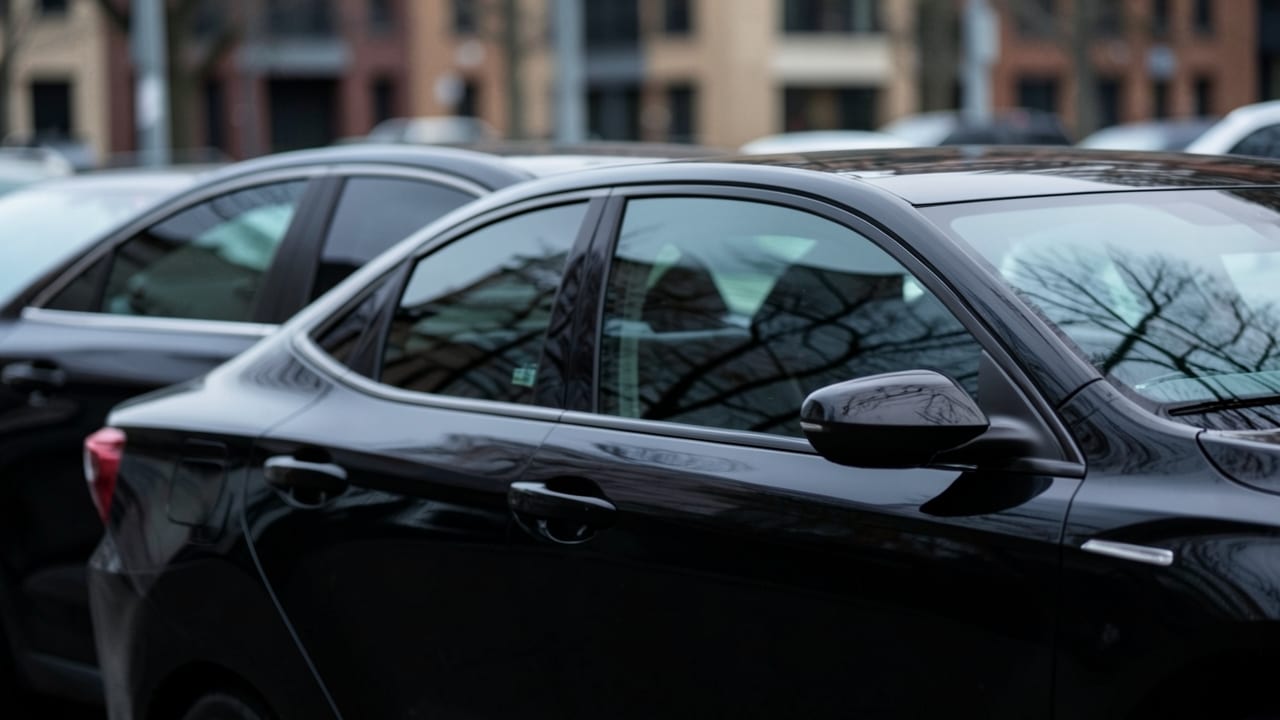
Ceramic Window Tint in Houston, TX
Nano-ceramic window tint in Houston, TX — rejects heat and blocks 99% of UV without the signal interference or fading of cheaper films.
Learn More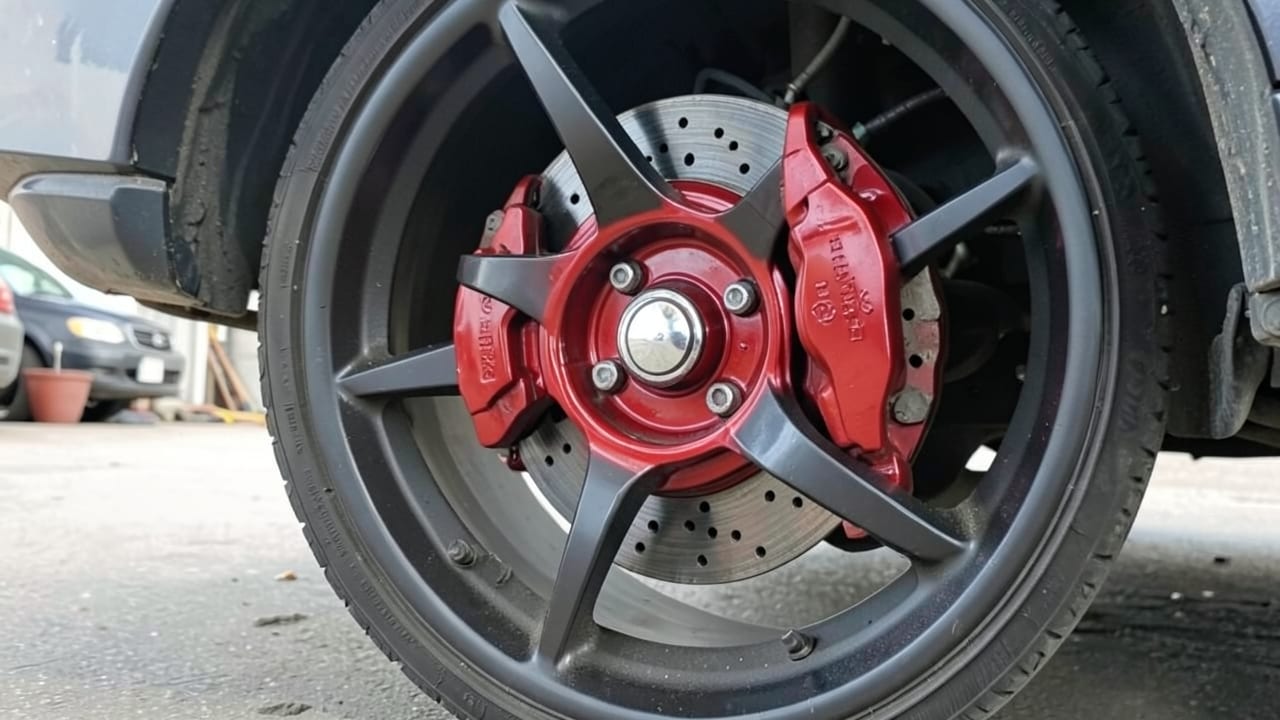
Wheel & Brake Caliper Ceramic Coating in Houston, TX
Dedicated ceramic coating for wheels and brake calipers in Houston, TX — stops brake dust and corrosive grime from bonding to the finish.
Learn More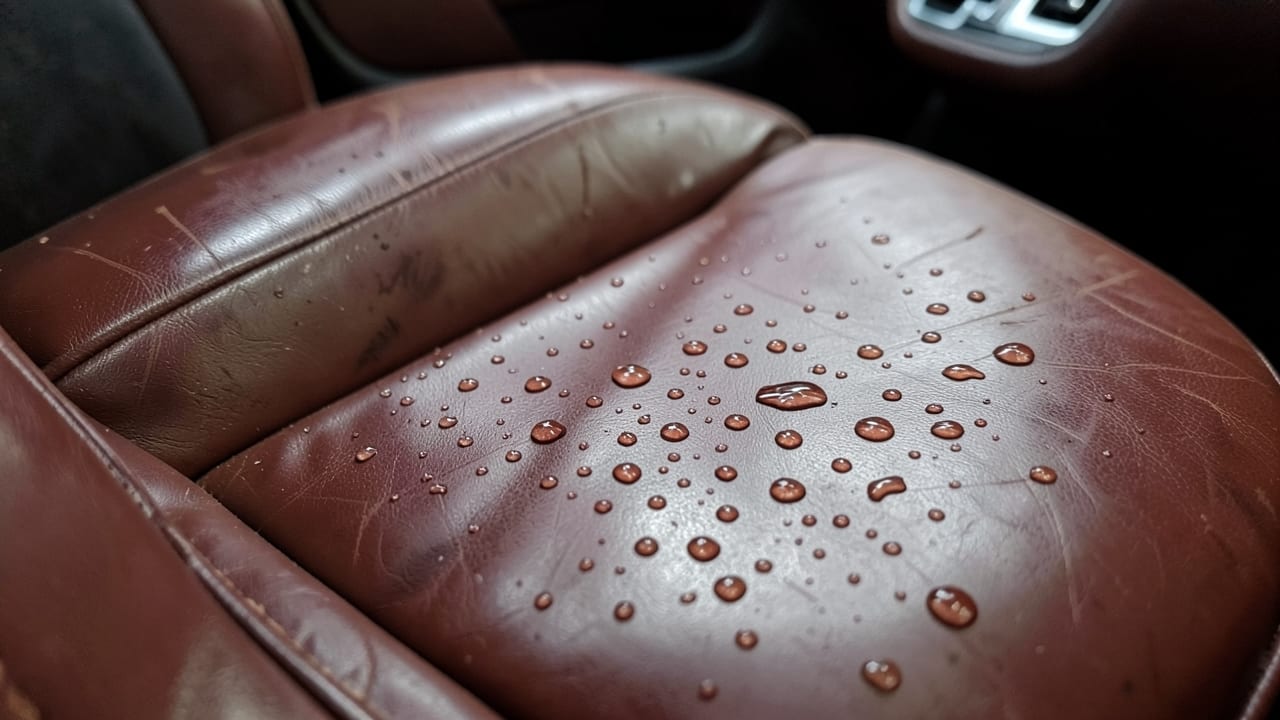
Interior Ceramic Protection in Houston, TX
Interior fabric, leather, and trim ceramic protection in Houston, TX — guards against spills, UV fading, and daily wear.
Learn MoreCommon Questions About Ceramic Coating in Houston
Everything you need to know about ceramic coating services in Houston
How much does Paint Protection Film (PPF) Installation typically cost in Houston, TX?
Does intense UV and dust in Houston, TX change coating maintenance?
What is the difference between graphene and SiO2 ceramic coatings?
Does a ceramic coating need to be topped up over time?
Can a ceramic coating be applied over existing swirl marks or light scratches?
Is ceramic coating ever covered by comprehensive auto insurance?
Need Ceramic Coating in Houston?
Get a written quote from our Houston crew.
⏰ We answer your call • Serving all of Houston and surrounding areas