Ceramic Coating Houston: How to Keep Your Paint Looking Brand New
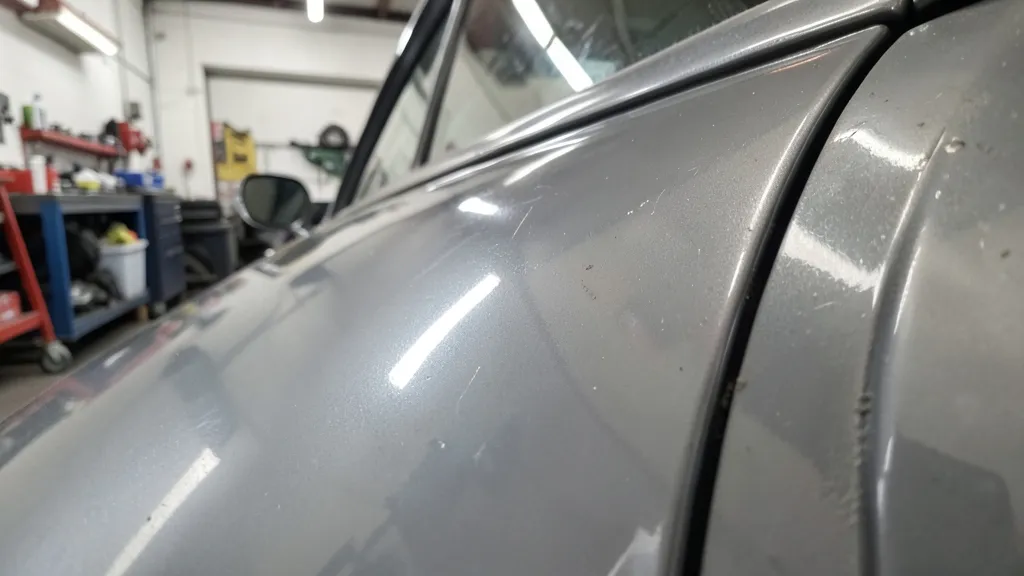
Houston’s relentless sun, humidity, and road debris take a toll on your vehicle’s finish. Ceramic coating creates a permanent shield that repels contaminants, resists UV fading, and keeps your paint glossy for years. We’ll break down how it works, why it’s worth it, and what to expect from the process.
Why Houston Drivers Need Ceramic Coating
Our local climate is tough on paint—intense UV exposure, high humidity, and frequent rain accelerate oxidation and fading. Ceramic coating adds a sacrificial layer that absorbs these abuses so your clear coat doesn’t have to.
Road salt from winter trips to Katy or Sugar Land, bug splatter on I-10, and tree sap in The Woodlands all etch into unprotected paint. A properly applied ceramic coating resists these contaminants, making cleanup a breeze.
Even daily driving in Pasadena or Pearland exposes your car to industrial fallout and brake dust. Ceramic’s hydrophobic properties prevent these particles from bonding to the surface, reducing swirl marks and scratches over time.
How Ceramic Coating Differs from Wax or Sealants
Wax and sealants sit on the surface, lasting weeks or months before breaking down. Ceramic coating chemically bonds with your paint, creating a semi-permanent layer that won’t wash away.
Traditional products offer minimal UV protection and no real defense against chemical stains. Ceramic coatings, with their 9H hardness rating, shield against bird droppings, acid rain, and even light scratches.
| Feature | Ceramic Coating | Wax | Sealant |
|---|---|---|---|
| Durability | 2-5+ years | 4-8 weeks | 4-6 months |
| UV Protection | High (blocks 99%+) | Low | Moderate |
| Hydrophobic Effect | Extreme (beading & sheeting) | Moderate | Moderate |
| Chemical Resistance | High (pH 2-12) | Low | Low-Moderate |
| Hardness (Pencil Test) | 9H | N/A | N/A |
| Self-Cleaning | Yes (dirt repellency) | No | No |
The Science Behind Ceramic Coatings
Ceramic coatings are liquid polymers, primarily silicon dioxide (SiO2) or titanium dioxide (TiO2), that cure into a hard, glass-like layer. This creates a molecular bond with your paint, unlike topical products.
Once cured, the coating fills microscopic imperfections in your clear coat, enhancing gloss and creating a mirror-like finish. The result is a surface that’s smoother than factory paint, which reduces drag and improves fuel efficiency slightly.
The hydrophobic effect isn’t just for looks—it causes water to bead and roll off, carrying dirt and grime with it. This self-cleaning property means less frequent washes and reduced risk of water spots from Houston’s hard water.
For maximum durability, we apply ceramic coatings in multiple layers. Each layer adds thickness and longevity, especially for high-impact areas like the hood and front bumper.
Prep Work: The Key to a Flawless Finish
Ceramic coating won’t fix existing paint defects—it amplifies them. That’s why paint correction is non-negotiable. We start with a thorough wash, clay bar treatment, and iron remover to strip embedded contaminants.
Next, we perform multi-stage polishing to eliminate swirl marks, scratches, and oxidation. This step ensures the coating bonds to a perfectly smooth surface, maximizing gloss and durability.
Skipping prep leads to premature failure. In Houston’s dusty conditions, even a single speck of dirt trapped under the coating can cause peeling or bubbling over time.
Essential Prep Steps Before Coating
- Full vehicle wash with pH-neutral soap
- Clay bar decontamination
- Iron remover spray (for brake dust and rail dust)
- Paint thickness measurement to avoid over-polishing
- Multi-stage polishing (compound, polish, finishing polish)
- Final wipe-down with IPA (isopropyl alcohol) to remove oils
What to Expect During and After Application
Application is meticulous. We work in small sections, applying the coating with a microfiber applicator, then leveling it with a second pass. Curing begins immediately, but full hardness takes 24-48 hours.
During this period, your car must stay dry. Even a light Houston drizzle can cause water spots or streaking in the uncured coating. We recommend keeping the vehicle indoors or under a carport for the first two days.
After curing, you’ll notice water beading like never before. The first wash should be done with a pH-neutral shampoo—no automatic car washes with harsh brushes for at least two weeks.
Ceramic Coating vs. Paint Protection Film (PPF)
Both protect your paint, but they serve different purposes. PPF is a physical, self-healing urethane film that absorbs impacts from rocks, road debris, and minor scratches. It’s ideal for high-impact areas like the front bumper or hood.
Ceramic coating, on the other hand, enhances gloss, repels contaminants, and resists chemical staining. It’s not a replacement for PPF but can be applied over it for added hydrophobicity and UV protection.
Many Houston drivers opt for a hybrid approach: PPF on vulnerable areas and ceramic coating on the rest of the vehicle. This combo offers the ultimate defense against both physical and chemical damage.
In areas like Katy or The Woodlands, where highway driving is common, PPF on the front end paired with ceramic coating on the entire car is a popular choice to combat rock chips and bug splatter.
Maintaining Your Ceramic Coated Vehicle in Houston
Ceramic coating isn’t maintenance-free, but it’s low-maintenance. Wash your car every 1-2 weeks with a pH-neutral shampoo to prevent dirt buildup. Avoid harsh degreasers or wax-based products—they can degrade the coating over time.
For extra protection, use a ceramic-boosting spray after washes. These products replenish the hydrophobic layer and extend the coating’s lifespan. We recommend reapplying a spray sealant every 3-6 months.
Even with a coating, bird droppings and bug splatter should be removed ASAP. Houston’s heat can bake these contaminants onto the surface, making them harder to remove and potentially etching the coating.
Beyond the Paint: Other Areas to Consider Coating
Ceramic coatings aren’t just for paint. We often apply them to wheels, brake calipers, and exhaust tips to resist brake dust, road grime, and high heat. These areas are prone to rapid corrosion in Houston’s salty, humid air.
Interior ceramic protection is another game-changer. It shields dashboards, leather seats, and door panels from UV fading, spills, and stains—perfect for families or frequent road-trippers to Sugar Land or Galveston.
Don’t overlook your headlights. Ceramic coating after a restoration prevents yellowing and haze, improving nighttime visibility on our often-unlit rural roads.
How to Prepare Your Car for Ceramic Coating
Proper prep is 80% of the battle—follow these steps to ensure your coating lasts.
- 1Deep Clean the Surface
Wash your car with a pH-neutral shampoo, then use a clay bar to remove embedded contaminants like tar and industrial fallout.
- 2Decontaminate with Iron Remover
Spray an iron remover on the paint to dissolve brake dust and rail dust particles. Rinse thoroughly afterward.
- 3Inspect and Measure Paint Thickness
Use a paint thickness gauge to check for previous repairs or thin areas. This prevents over-polishing, which can damage the clear coat.
- 4Perform Paint Correction
Use a dual-action polisher with progressively finer compounds and polishes to remove swirl marks, scratches, and oxidation.
- 5Final Wipe-Down
Clean the surface with isopropyl alcohol (IPA) to remove any remaining oils or residues. This ensures a perfect bond for the coating.
- 6Mask Off Non-Painted Areas
Cover trim, rubber seals, and glass with painter’s tape to prevent the coating from adhering to unintended surfaces.
Frequently Asked Questions
How long does ceramic coating last in Houston’s climate?
With proper prep and maintenance, a professional-grade ceramic coating typically lasts 2-5 years in Houston. The extreme heat and UV exposure can shorten this slightly, but regular washing and ceramic boosters help extend its lifespan.
Can ceramic coating be applied over existing scratches or swirl marks?
No. Ceramic coating will not hide or fill in scratches—it will make them more noticeable by adding gloss. That’s why paint correction is a critical step before application to ensure a flawless finish.
Is ceramic coating worth it for older cars in Ceramic Coating Houston?
Absolutely. Older cars often have oxidized or faded paint, which ceramic coating can restore and protect. However, heavily damaged paint may require more extensive correction or even a repaint before coating.
Will ceramic coating prevent rock chips?
Ceramic coating adds hardness and some scratch resistance, but it won’t stop rock chips. For that, we recommend Paint Protection Film (PPF) on high-impact areas like the front bumper, hood, and fenders.
How much does ceramic coating cost in Houston?
The cost depends on several factors: vehicle size, paint condition, number of coating layers, and whether you add extras like PPF or interior protection. For an accurate estimate, request a quote—we’ll assess your car’s needs in person.
Can I apply ceramic coating myself?
DIY ceramic coating kits exist, but they lack the durability and performance of professional-grade products. Improper prep or application can lead to streaks, peeling, or reduced longevity. For best results, trust a local expert.