Ceramic Coating Houston: Why Proper Prep is the Secret to Longevity
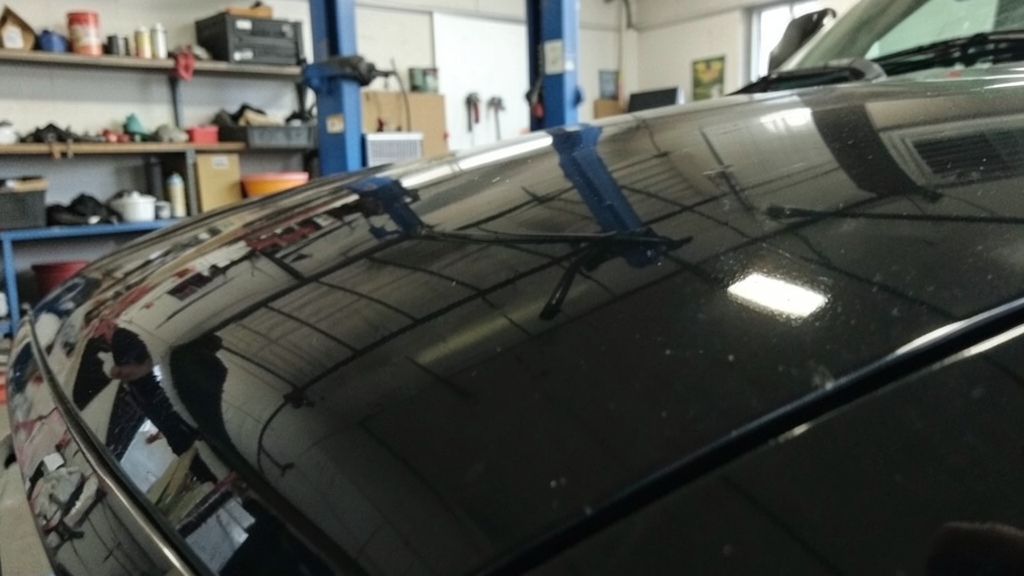
A ceramic coating is only as good as the surface it bonds to. In Houston’s harsh sun and humidity, skipping prep means shortened lifespan, poor adhesion, and wasted investment. We break down why meticulous paint correction and decontamination are non-negotiable for a coating that lasts.
The Foundation: Why Prep Outweighs the Coating Itself
Ceramic coatings form a molecular bond with your clear coat. If that surface is contaminated, oxidized, or marred, the bond weakens—leading to premature failure.
Houston’s intense UV and humidity accelerate these issues. Even a brand-new car can have dealer-installed waxes or rail dust that block adhesion.
Proper prep isn’t just cleaning; it’s restoring the paint to a near-flawless state so the coating can perform as designed.
Step 1: Decontamination – Removing What You Can’t See
Embedded iron particles, tar, and industrial fallout cling to paint. A clay bar or iron remover lifts these contaminants without damaging the clear coat.
We use pH-neutral soaps and iron-decontaminating sprays to ensure no residues remain. This step is critical before any polishing begins.
Applying ceramic coating over embedded contaminants can cause the coating to lift or bubble. Houston’s high humidity makes this failure mode even more likely.
Step 2: Paint Correction – Fixing Imperfections
Swirl marks, water spots, and oxidation scatter light, dulling your finish. We use dual-action polishers and compounding to level the clear coat.
The goal isn’t perfection—it’s removing defects that would otherwise be locked under the coating forever. This step separates a good job from a great one.
Polishing Techniques: Cross-Hatching vs. Random Orbital
Cross-hatching with a rotary buffer delivers aggressive correction for deep scratches but risks burning through clear coat if misused.
Random orbital polishers are safer for most vehicles, especially thinner factory clear coats common on modern cars. Our team matches the method to the paint’s condition.
| Method | Correction Power | Risk Level | Best For |
|---|---|---|---|
| Rotary (Cross-Hatching) | High | High (clear coat burn) | Deep scratches, hard paints |
| Dual-Action Orbital | Moderate | Low | Most factory clear coats |
| Hand Polishing | Low | Very Low | Final touch-ups, delicate areas |
The Final Clean: IPA Wipe-Down and Ceramic Primer
After polishing, oils from compounds and polishes remain. A 50/50 isopropyl alcohol (IPA) and distilled water wipe-down removes these residues for a squeaky-clean surface.
Some coatings require a ceramic primer or prep spray to enhance bonding. This step is often overlooked but critical for maximum durability in Houston’s climate.
Paper towels or low-quality microfiber can leave fibers or mar the surface. We use high-GSM microfiber to avoid reintroducing contaminants.
Houston-Specific Challenges: Heat, Humidity, and Hard Water
Our region’s hard water leaves mineral deposits that etch into paint if not removed quickly. These require wet-sanding or spot correction before coating.
High humidity means surfaces can flash-rust or develop water spots during prep. We work in climate-controlled bays to maintain consistency.
UV exposure is relentless year-round. Without proper prep, a coating may fail prematurely, leaving paint vulnerable to fading and oxidation.
How Prep Affects Longevity: Real-World Differences
A vehicle with full paint correction and decontamination can see its ceramic coating last 5–7 years or more. Skipping steps can cut that lifespan in half.
In areas like Katy or The Woodlands, where pollen and tree sap are common, thorough prep prevents these contaminants from being sealed under the coating.
When to Consider Additional Protection
For high-impact areas like hoods and bumpers, pairing ceramic coating with paint protection film (PPF) adds a self-healing layer against rock chips. We offer both services in Pasadena, Sugar Land, and Pearland.
Wheel and brake caliper ceramic coatings resist brake dust and corrosive road grime, while ceramic window tint reduces heat and UV exposure inside the cabin.
How to Inspect Your Paint Before Ceramic Coating
A quick pre-check can reveal whether your car needs correction before coating.
- 1Wash and Dry Thoroughly
Use a pH-neutral car shampoo and grit guards to avoid adding swirls. Dry with a clean microfiber towel.
- 2Run Your Fingers Over the Paint
Feel for roughness or embedded particles. If the surface isn’t glass-smooth, decontamination is needed.
- 3Check for Swirl Marks in Direct Light
Inspect under sunlight or a bright LED. Swirls, scratches, or haze indicate the need for polishing.
- 4Look for Water Spots or Etching
Hard water spots often appear as white or chalky rings. These require correction before coating.
- 5Test with a Plastic Bag
Slide a plastic bag over the paint in a glove. The magnification helps reveal fine scratches and oxidation.
Frequently Asked Questions
Can I apply ceramic coating over existing wax or sealant in Houston?
No. Wax or sealant must be fully removed with a prep solvent or clay bar. Applying coating over these products will prevent proper bonding and reduce longevity.
How long does paint correction take before ceramic coating?
It depends on the vehicle’s condition. A light polish may take 4–6 hours, while heavy correction for swirls or oxidation can require 1–2 days. We always assess first.
Is paint correction necessary for a new car in Ceramic Coating Houston?
Often, yes. Dealerships may apply temporary protections or rail dust can settle during transport. Even new paint can have minor defects that need addressing.
What’s the difference between a 1-step and 2-step polish?
A 1-step polish combines compounding and finishing in one pass, suitable for light defects. A 2-step uses a compound for correction followed by a finer polish for clarity—ideal for moderate to heavy imperfections.
Does ceramic coating hide scratches or swirls?
No. Ceramic coatings enhance gloss and protection but won’t fill or hide existing defects. That’s why correction is essential before application.
Can I do the prep work myself before bringing my car in?
We don’t recommend it. DIY polishing can cause micro-marring or uneven correction, which affects the coating’s performance. Our team uses professional tools and controlled environments.