Ceramic Coating Toppers vs. Full Reapplication: How to Extend Your Protection in Houston in Ceramic Coating Houston, TX
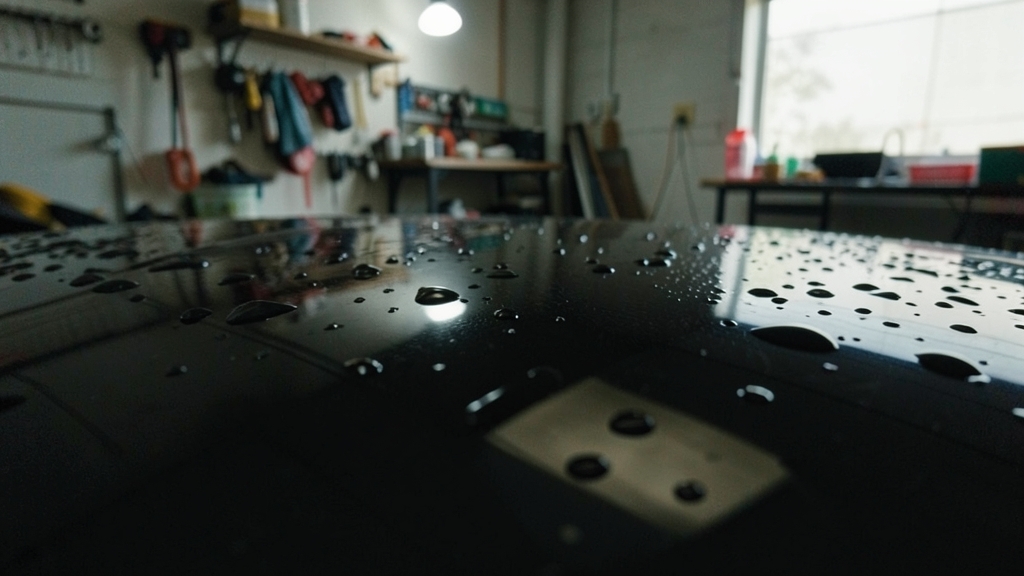
Houston’s relentless sun, humidity, and road grime take a toll on even the best ceramic coatings. Knowing when to refresh with a topper versus stripping and reapplying the full system saves time, money, and your paint’s integrity.
What Are Ceramic Coating Toppers?
Toppers are maintenance boosters—thin, high-SiO2 or TiO2 layers applied over your existing ceramic coating to restore hydrophobicity and gloss. They don’t replace the base coat but revive its performance.
Think of them like a fresh wax on a well-sealed surface: they enhance water beading and UV resistance without the labor of full prep. Ideal for coatings still bonding well but losing their pop.
When a Full Reapplication Is the Only Answer
If your coating’s bond fails—peeling, hazing, or water no longer sheets—toppers won’t stick. Houston’s salt air and UV accelerate this, especially on hoods and roofs.
Full reapplication means stripping the old layer, correcting paint defects, and laying a new ceramic foundation. It’s invasive but restores factory-level protection.
Applying a topper over a degraded ceramic layer traps contaminants and shortens the new coat’s lifespan. Always test water behavior first.
Houston-Specific Wear: What to Watch For
Our humidity and heat break down coatings faster than in drier climates. Look for dull spots after rain or water spots that won’t rinse off—early signs of hydrophobic failure.
Oil and industrial fallout near the Ship Channel or refineries etch coatings prematurely. Regular decontamination washes extend intervals between toppers or reapps.
Toppers vs. Full Reapplication: Cost and Longevity
Toppers cost far less in labor and time: no paint correction or multi-day curing. They add 6–18 months of performance to a healthy coating.
Full reapplication delivers 3–5 years of protection but requires stripping, polishing, and meticulous application. The upfront work pays off for heavily oxidized or damaged paint.
| Factor | Ceramic Topper | Full Reapplication |
|---|---|---|
| Longevity Boost | 6–18 months | 3–5 years |
| Prep Required | Wash & decontamination | Strip, polish, paint correction |
| Labor Time | 1–4 hours | 2–5 days |
| Ideal for Houston Climate | Mild wear, regular upkeep | Severe fading, bonding failure |
| UV/Heat Resistance | Restores existing layer | Full spectrum protection |
How Often Should Houston Drivers Refresh?
For daily drivers parked outside, plan a topper every 12–18 months. Garage-kept cars in The Woodlands or Katy may stretch to 24 months between refreshes.
Full reapplication? Most locals hit the 3-year mark before our climate degrades the bond. Fleet vehicles in Pasadena or Pearland often need it sooner due to high mileage.
Prepping for a Topper: The Non-Negotiables
A thorough two-bucket wash with iron-removing soap is step one. Any embedded contaminants will prevent the topper from bonding evenly.
Follow with a clay bar or synthetic decon pad to lift bonded grime. Skip this, and your topper’s hydrophobicity will fade in weeks, not months.
Pre-Topper Decontamination
- Two-bucket wash with pH-neutral shampoo
- Iron-removing spray (purple reaction = success)
- Clay bar or nano-towel decontamination
- Final rinse with filtered or distilled water
- Dry with microfiber towels (no water spots)
Pairing Toppers with Other Protections
In Sugar Land or Pearland, where pollen and sap are brutal, combine a topper with ceramic window tint to reduce interior heat and UV damage. Less stress on your coating means longer intervals between refreshes.
For trucks or SUVs in Katy, adding PPF to high-impact zones (hood, bumper) lets you focus toppers on vertical panels. The film takes the rock chips; the coating handles the shine.
How to Apply a Ceramic Topper Like a Pro
A proper topper application restores gloss and hydrophobicity in under a day.
- 1Deep Clean the Surface
Wash, decontaminate, and dry the vehicle completely. Any missed grime will sabotage bonding.
- 2Inspect the Existing Coating
Test water behavior: if it sheets uniformly, the base coat is intact. If it beads unevenly, consider a full reapplication.
- 3Apply the Topper in Sections
Work in 2x2 ft areas using a foam applicator. Overlapping strokes ensure even coverage without streaks.
- 4Allow Proper Flash Time
Wait 5–10 minutes for the topper to haze, then buff off excess with a clean microfiber. Curing takes 12–24 hours—avoid rain or car washes.
- 5Maintain with pH-Neutral Products
Use ceramic-safe soaps and avoid automatic car washes with harsh brushes to maximize the topper’s lifespan.
Frequently Asked Questions
Can I apply a ceramic topper myself, or should I hire a pro in Ceramic Coating Houston?
DIY is possible if you’re meticulous with prep and application. But pros in Houston have climate-controlled bays to avoid humidity issues during curing. Mistakes in bonding can cost more to fix than hiring us upfront.
How do I know if my ceramic coating in Houston is failing and needs reapplication?
Look for water spots that won’t rinse off, reduced beading, or a dull finish. If a water droplet sits flat instead of beading, the coating’s hydrophobic layer is gone. That’s your sign to strip and reapply.
Will a ceramic topper fix swirl marks or scratches?
No. Toppers enhance existing coatings but won’t hide paint defects. For swirls or scratches, you’ll need paint correction first—often part of a full reapplication process.
Is a ceramic topper the same as a spray-on ceramic sealant?
Not quite. Spray sealants are thicker, shorter-lived (3–6 months), and lack the chemical bonding of true toppers. Toppers are designed to integrate with your existing ceramic layer for longer durability.
How does Houston’s humidity affect ceramic coating toppers?
High humidity slows curing and can trap moisture under the topper, causing hazing. Pros in Houston use dehumidifiers and extended flash times to counteract this. Always apply in a controlled environment.
Can I use a ceramic topper over Paint Protection Film (PPF)?
Yes, and it’s a smart combo. PPF protects against chips and scratches, while the topper adds gloss and hydrophobic properties. Just ensure the PPF is clean and the topper is PPF-compatible.