Why Ceramic Coating Outperforms Wax for Houston Road Debris Protection in Ceramic Coating Houston, TX
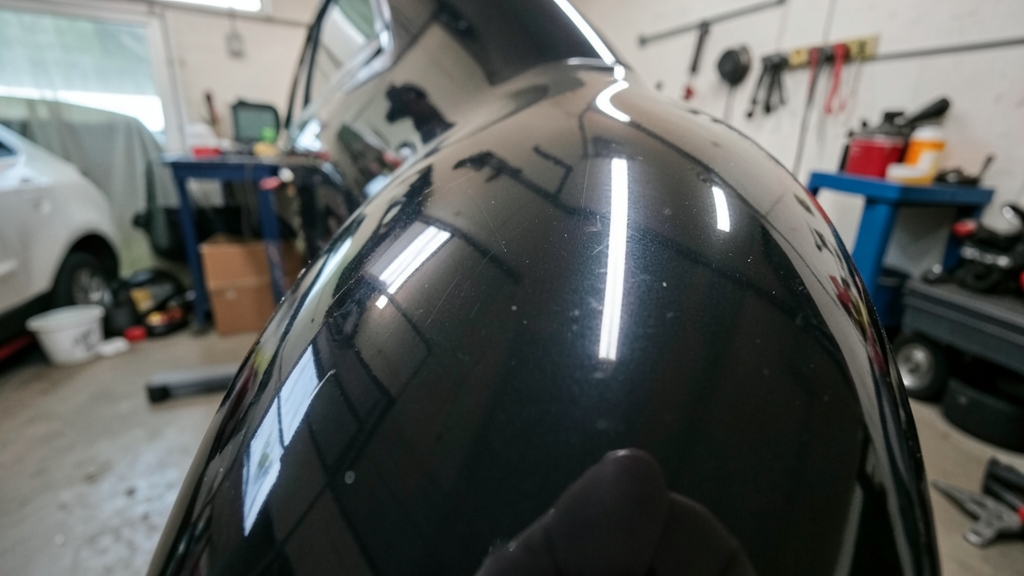
Houston’s roads are a minefield of gravel, salt, and debris that chew through traditional wax in weeks. We apply military-grade nano-ceramic coatings that bond at the molecular level, creating a shield that laughs at what wax can’t handle.
Houston’s Unique Threats to Your Paint
Our humidity and sudden storms turn road grime into an abrasive slurry that etches clear coat faster than in drier climates.
Construction zones from Katy to The Woodlands kick up limestone and asphalt chunks that chip paint on impact.
Bird droppings and love bugs in summer aren’t just ugly—their acids eat through wax in hours, but barely phase a cured ceramic layer.
How Ceramic Coatings Work at the Molecular Level
We use SiO2-based nano-ceramics that chemically bond with your clear coat, forming a semi-permanent lattice that’s 100x harder than wax.
Cross-linking creates a glass-like finish with 9H pencil hardness, resisting swirls from automatic car washes in Pearland or Sugar Land.
Hydrophobic properties repel water, mud, and contaminants, so they bead off instead of embedding in your paint.
Full bonding takes 24–48 hours. Park in a garage or shaded area in Pasadena to avoid premature water exposure.
Wax vs. Ceramic: The Road Debris Resistance Test
Wax fills microscopic pores but sits on the surface, so a single pressure wash or Houston downpour strips it away.
Ceramic coatings penetrate and harden, so gravel pings and road salt can’t reach the paint underneath.
| Protection Type | Durability | Scratch Resistance | Chemical Resistance | Hydrophobicity |
|---|---|---|---|---|
| Carnauba Wax | 4–8 weeks | Low | Poor | Moderate |
| Synthetic Sealant | 4–6 months | Low-Moderate | Moderate | Moderate |
| Professional Ceramic Coating | 2–5+ years | High (9H) | Excellent | Extreme |
Real-World Longevity in the Houston Climate
Our ceramic coatings maintain 80%+ hydrophobic beading for 2–3 years, even through the brutal summer UV and winter cold snaps.
Wax needs reapplication every 1–2 months in our heat, or it turns hazy and fails to protect against the next storm.
For fleet vehicles in commercial zones, we often pair ceramic with Paint Protection Film for ultimate defense against rocker panel chips.
Prep Work: The Secret to Maximum Debris Protection
We start with a thorough decontamination using iron-removing sprays and clay bars to pull embedded particles from the paint.
Paint correction removes swirls and oxidation so the ceramic bonds to a flawless surface, not a damaged one.
Skipping prep in humid Houston air traps moisture under the coating, causing premature peeling or water spots.
Essential Pre-Coating Steps
- Two-bucket wash with pH-neutral soap
- Iron decontamination spray application
- Clay bar treatment for embedded contaminants
- Paint correction (compound and polish) as needed
- Final IPA wipe-down to remove oils
Maintenance: Keeping Your Coating Houston-Strong
Wash with pH-neutral shampoo every two weeks to prevent dirt buildup that can abrade the surface over time.
Avoid automatic brush car washes—they’re loaded with grit that can dull even a ceramic finish.
Use a ceramic-safe spray sealant every 3–4 months to refresh hydrophobicity and extend the coating’s life.
Never use dish soap, degreasers, or wax-based products on a ceramic coating. They break down the hydrophobic layer.
Beyond Paint: Full-Vehicle Ceramic Protection
We don’t stop at the body. Ceramic coatings for wheels and brake calipers resist brake dust and road salt corrosion common in Houston traffic.
Interior ceramic protection on leather and plastic prevents UV fading and stains from spilled drinks or kids’ snacks.
Headlight restoration followed by a ceramic top coat keeps lenses clear and yellowing-free for safer night driving.
How to Inspect Your Paint for Debris Damage Before Coating
A quick pre-check ensures we address existing issues before applying ceramic protection.
- 1Wash and Dry Thoroughly
Use the two-bucket method to remove all surface dirt. Dry with a microfiber towel to reveal hidden scratches.
- 2Check Under Direct Light
Park in sunlight or use a high-intensity lamp to spot swirl marks, chips, or oxidation.
- 3Run Your Fingernail Test
Lightly drag your nail across suspect areas. If it catches, the damage is deep enough for paint correction.
- 4Inspect Edges and High-Impact Zones
Focus on the hood, bumper, and rocker panels—common areas for Houston road debris chips.
- 5Document Findings
Take photos and notes to share with our team. This helps us tailor the prep and coating process.
Frequently Asked Questions
How long does a ceramic coating last in Houston’s climate?
With proper prep and maintenance, our professional-grade ceramic coatings last 2–5+ years. Houston’s UV and humidity can shorten this slightly, but regular care extends longevity. Wax, by comparison, fails in weeks under the same conditions.
Can ceramic coating prevent rock chips in Ceramic Coating Houston?
Ceramic coatings add a hard, protective layer that reduces the risk of minor chips and scratches, but they’re not bulletproof. For high-impact areas like the front bumper, we recommend pairing ceramic with Paint Protection Film for full defense.
Is ceramic coating worth it for daily drivers in Sugar Land or Katy?
Absolutely. Daily drivers face the most exposure to road debris, UV, and contaminants. A ceramic coating cuts wash time in half and keeps your paint looking newer, longer—saving you money on frequent waxing and touch-ups.
What’s the difference between consumer DIY ceramic sprays and professional coatings?
DIY sprays offer a temporary hydrophobic boost but lack the durability and hardness of professional nano-ceramic coatings. Our coatings require expert prep and application to achieve the 9H hardness and multi-year protection you need in Houston.
Do I still need to wash my car after getting a ceramic coating?
Yes, but less often. Ceramic coatings repel dirt, so your car stays cleaner longer. However, regular washing with pH-neutral soap prevents contaminant buildup that can degrade the coating over time.
Can you apply ceramic coating over existing wax or sealant?
No. Wax or sealant must be fully removed before applying ceramic coating, or the coating won’t bond properly. Our prep process includes stripping all previous products to ensure a clean, bare surface for maximum adhesion.