Why Ceramic Coating in Houston Beats Waxing for Long-Term Paint Protection in Ceramic Coating Houston, TX
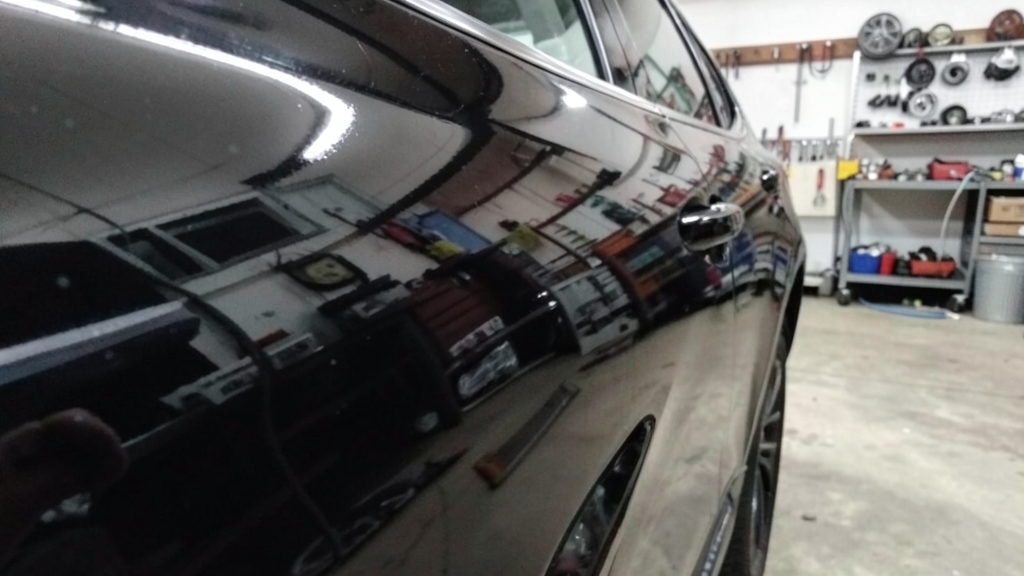
Houston’s relentless sun, humidity, and road grime demand more than traditional wax can deliver. We’ve helped countless local drivers switch from waxing every few months to years of effortless protection with ceramic coating. The difference in longevity, defense, and ease of maintenance is undeniable.
The Core Difference: Ceramic Coating vs. Waxing
Wax, whether carnauba or synthetic, sits on the surface and fills microscopic imperfections. It offers temporary gloss and mild UV protection but breaks down quickly under Houston’s intense sun and humidity.
Ceramic coating chemically bonds with your clear coat, creating a permanent hydrophobic layer. It doesn’t wash away or degrade like wax—it repels water, contaminants, and UV rays for years, not weeks.
Longevity: Months vs. Years of Protection
A high-quality carnauba wax lasts 4-8 weeks in ideal conditions. In Houston’s climate, expect 3-6 weeks before reapplication. Synthetic sealants may stretch to 4-6 months, but they still fade fast under UV exposure.
Professional-grade ceramic coatings last 2-5 years or more. Even in our harsh local conditions—salt air near the coast, industrial fallout, and extreme heat—they maintain 80-90% of their properties over time.
| Protection Type | Duration (Houston Conditions) | Reapplication Frequency | UV Resistance |
|---|---|---|---|
| Carnauba Wax | 3-6 weeks | Every 1-2 months | Low |
| Synthetic Sealant | 4-6 months | Every 4-6 months | Moderate |
| Consumer-Grade Ceramic Spray | 6-12 months | Every 6-12 months | Moderate |
| Professional Ceramic Coating | 2-5+ years | None (maintenance only) | Extreme |
Protection Against Houston’s Toughest Threats
Wax provides minimal defense against bird droppings, tree sap, or industrial fallout common in areas like Pasadena or near the Ship Channel. These contaminants etch paint quickly in our heat, leaving permanent damage.
Ceramic coatings create a sacrificial layer that resists etching. Their chemical resistance means you have time to remove contaminants before they harm the paint. Even in Sugar Land or Katy, where pollen and dust are heavy, the self-cleaning effect keeps surfaces cleaner longer.
Bird droppings and bug splatter in Houston can have a pH as low as 3-4. Wax won’t stop etching—ceramic coating buys you critical time to wash it off.
Time and Cost Savings Over the Long Haul
Waxing requires 4-6 applications per year in Houston. That’s hours spent prepping, applying, and buffing—plus the cost of products. Over 5 years, you’ll invest significant time and money just to maintain basic protection.
Ceramic coating is a one-time application with minimal upkeep. You’ll spend less time washing and more time driving. While the initial cost is higher, the long-term savings on products, labor, and paint correction add up.
Many Houston vehicles need paint correction before ceramic coating to remove swirls and oxidation. We include this in our process to ensure the coating bonds perfectly and lasts longer.
Ease of Maintenance: The Hydrophobic Advantage
Ceramic-coated surfaces repel water so thoroughly that dirt and grime slide off during rinsing. This means quicker, easier washes—ideal for busy professionals in The Woodlands or Pearland who want to spend weekends driving, not detailing.
Waxed cars require frequent washing to prevent buildup, and even then, water spots and streaks are common. Ceramic coatings reduce spotting and make drying nearly effortless.
Does Ceramic Coating Replace Paint Protection Film (PPF)?
Ceramic coating and PPF serve different purposes. PPF is a physical barrier against rock chips and deep scratches, while ceramic coating enhances gloss and chemical resistance. Many Houston drivers combine both for ultimate protection.
For areas like Katy or Sugar Land, where highway debris is a concern, we often recommend PPF on high-impact zones (hood, bumper, fenders) with a full ceramic coating for the rest of the vehicle.
When to Consider PPF + Ceramic Coating
- Frequent highway driving (e.g., I-10 or 290 corridors)
- Parking under trees with heavy sap or acorn drop
- Off-road or gravel road exposure
- Luxury or collector vehicles needing maximum protection
What About Interior and Other Surfaces?
Ceramic technology isn’t limited to paint. We apply interior ceramic protection to dashboards, leather, and plastics to resist UV fading and stains. In Houston’s heat, this prevents cracking and discoloration over time.
Wheel and brake caliper ceramic coatings are popular in Pearland and The Woodlands, where brake dust and road salt accelerate corrosion. These coatings make cleaning wheels a breeze and prevent pitting.
How to Transition from Wax to Ceramic Coating
Making the switch is straightforward, but proper prep is key to longevity.
- 1Assess Your Paint Condition
Check for swirl marks, oxidation, or water spots. In Houston’s climate, paint often needs correction before coating to ensure a flawless finish.
- 2Choose the Right Ceramic Coating
Not all coatings are equal. We use professional-grade products tailored to Houston’s UV and humidity levels.
- 3Paint Correction (If Needed)
This step removes imperfections so the coating bonds properly. It’s critical for vehicles exposed to Houston’s sun and pollution.
- 4Application by Technicians
Ceramic coating requires precise application in a controlled environment. Our team ensures even coverage and proper curing.
- 5Curing and First Wash
Avoid washing or exposing the vehicle to rain for 48-72 hours. After curing, use pH-neutral soaps to maintain the coating’s integrity.
- 6Maintenance Plan
While ceramic coatings are low-maintenance, annual inspections and touch-ups (if needed) keep them performing at their best in Houston’s tough conditions.
Frequently Asked Questions
How often do I need to reapply ceramic coating in Ceramic Coating Houston?
Professional ceramic coatings last 2-5+ years in Houston’s climate. Longevity depends on the product quality, application, and maintenance. Unlike wax, you won’t need to reapply every few months—just maintain it properly.
Can I apply ceramic coating over existing wax?
No. Wax must be completely removed before ceramic coating application. Any residue will prevent the coating from bonding properly to the clear coat, reducing its effectiveness and durability.
Does ceramic coating prevent all scratches and chips?
Ceramic coating adds a hard layer that resists light scratches and swirl marks better than wax. However, it won’t stop rock chips or deep scratches. For that, consider adding paint protection film (PPF) to high-impact areas.
Is ceramic coating worth it for older cars in Houston?
Absolutely. Older vehicles often benefit the most from ceramic coating, as it restores gloss and protects faded or oxidized paint. We frequently coat vehicles in Pasadena and other areas with high sun exposure to revive their appearance and slow further damage.
How do I maintain my ceramic coating in Houston’s humidity?
Wash your vehicle regularly with pH-neutral car soap and avoid automatic car washes with harsh brushes. Use a ceramic coating-safe detail spray for extra gloss between washes. Park in a garage or under cover when possible to minimize UV and contaminant exposure.
Can ceramic coating be applied to matte or satin paint finishes?
Yes, but it requires a specialized matte ceramic coating. These products maintain the flat finish while adding protection. We’ve applied them to vehicles in The Woodlands and other areas with custom paint jobs.