Ceramic Pro Certified vs. Non-Certified Installers: The Truth for Ceramic Coating Houston
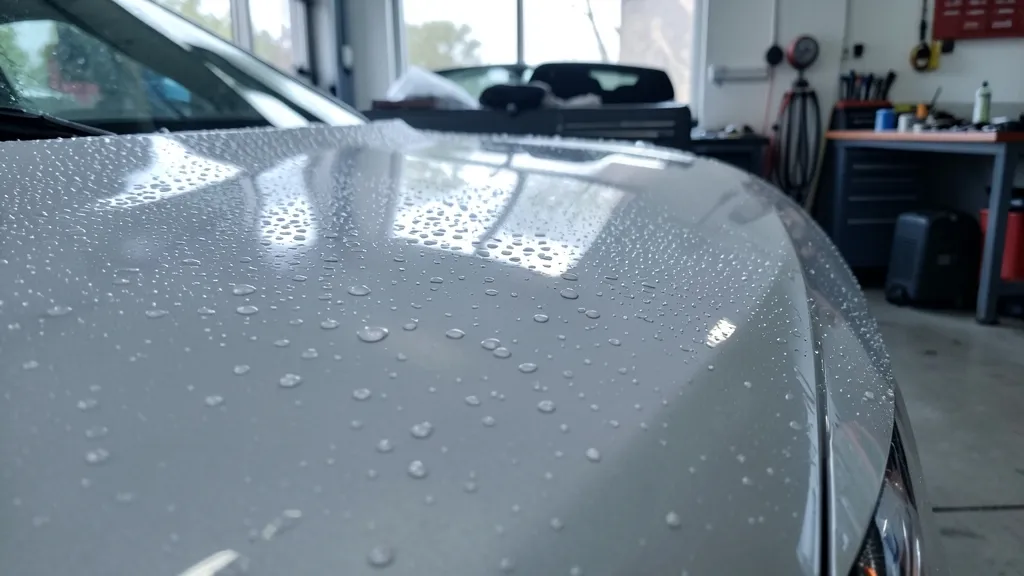
Choosing between a Ceramic Pro installer and a non-certified shop can make or break your coating’s performance. In Houston’s harsh sun and humidity, certification isn’t just a badge—it’s proof of expertise, proper prep, and a coating that lasts. We break down why it matters for your vehicle’s long-term protection.
Why Certification Matters in Ceramic Coating
Ceramic Pro certification means the installer has undergone rigorous training on surface prep, application techniques, and product chemistry. Non-certified shops may cut corners, risking poor adhesion or premature failure.
Houston’s high UV index and humidity demand precision. Certified techs understand how to combat water spotting and oxidation—common issues in our climate—with the right prep and layering.
The Ceramic Pro Advantage: Training and Accountability
Ceramic Pro’s program requires hands-on training and periodic recertification. Installers learn to handle everything from single-stage paints to modern clear coats, ensuring compatibility with your vehicle.
Non-certified shops often rely on generic products with inconsistent hardness or durability. Ceramic Pro’s 9H-rated coatings are independently tested, and installers stand behind their work with documented warranties.
Always request a installer’s Ceramic Pro certification ID and warranty documents. Legitimate shops display these proudly and tie them to your VIN.
Warranty: The Non-Negotiable Difference
Independent providers may offer warranties, often up to 5 years or lifetime, depending on the package, covering defects in materials and workmanship.
Non-certified coatings may come with vague or no warranties. If issues arise, you’re often left with no recourse. In Houston, where coatings face extreme stress, this is a gamble you can’t afford.
Preparation: Where Most Non-Certified Shops Fail
Paint correction is 80% of a successful ceramic coating. Skilled professionals perform multi-stage polishing to remove swirls, scratches, and oxidation before application. Skip this, and the coating amplifies imperfections.
Many non-certified shops use one-step polishes or skip correction entirely. In Houston’s dusty conditions, this leads to contamination under the coating, causing peeling or hazing over time.
Signs of Proper Paint Correction
- No visible swirls or holograms under direct light
- Smooth, glass-like finish before coating application
- Detailed inspection with a paint thickness gauge
Product Quality: Certified vs. Generic Coatings
Ceramic Pro’s nano-ceramic formulas are engineered for extreme durability, with high solids content and cross-linking polymers. Generic coatings often contain fillers or lower-grade resins, reducing longevity.
In Houston, where vehicles endure temperature swings and frequent rain, a high-solids coating resists water spotting and chemical etching far better than budget alternatives.
| Feature | Ceramic Pro (Certified) | Generic (Non-Certified) |
|---|---|---|
| Hardness Rating | 9H+ (Pencil Test) | 2H–7H (Varies) |
| Hydrophobic Properties | Extreme (150°+ contact angle) | Moderate (100°–120°) |
| UV Resistance | 99%+ Blockage | 50–80% (Often Unverified) |
| Warranty | Manufacturer-Backed (2–Lifetime) | None or Limited (1 Year Max) |
| Longevity | 2–5+ Years (Properly Maintained) | 6 Months–2 Years |
Local Considerations: Houston’s Unique Challenges
Houston’s humidity accelerates water spotting, while its UV index (often 9–11 in summer) fades and oxidizes paint faster, so prep and coating layers must be tailored to these conditions.
Nearby areas like Sugar Land and Katy see similar stress. We often service vehicles from Pearland and The Woodlands, where dust from construction or rural roads demands extra attention to surface decontamination.
Some shops market DIY-style ceramic sprays as ‘professional coatings.’ These lack the durability of true nano-ceramic products and won’t withstand Houston’s climate.
Integration with Other Protective Services
Ceramic coatings pair best with Paint Protection Film (PPF) for high-impact areas like hoods and bumpers. Proper layering ensures adhesion and clarity.
We also offer ceramic window tint and interior coatings, which complement full-vehicle protection. In Pasadena and The Woodlands, fleet owners often combine these for comprehensive, low-maintenance shielding.
The Cost Factor: Why Certified Isn’t Always More Expensive
While Ceramic Pro coatings may have a higher upfront cost, their longevity and warranty value often offset the price. Non-certified coatings may require reapplication every 1–2 years, adding up over time.
Factors driving cost include vehicle size, paint condition, and package tiers (e.g., single-layer vs. multi-layer). For an accurate estimate, request a quote—we assess your car’s specific needs.
How to Verify a Ceramic Coating Installer’s Certification
Don’t take their word for it—here’s how to confirm you’re working with a true Ceramic Pro professional.
- 1Check the Official Directory
Visit Ceramic Pro’s website and search for the shop’s name or location. Listed providers include their certification level and contact details.
- 2Request Certification Documents
Ask for the installer’s Ceramic Pro ID card and warranty authorization. These should include a unique identifier tied to their training.
- 3Inspect Their Work
Look for before-and-after photos of paint correction and coating jobs. Certified techs document their process, including prep steps and final inspections.
- 4Ask About Training
Inquire when and where they completed their certification. Ceramic Pro requires periodic updates, so recent training is a must.
- 5Review Warranty Terms
Ensure the warranty is manufacturer-backed and tied to your VIN. Non-certified shops often offer vague or non-transferable warranties.
Frequently Asked Questions
Yes—certification ensures the installer follows strict prep and application standards, which are critical for durability in Houston’s climate. Non-certified shops may lack the training to handle our local conditions, leading to premature failure.
Can Ceramic Pro products be used by an installer without certification?
Technically, yes, but they won’t have access to the full product line, warranties, or support. Ceramic Pro restricts its professional-grade coatings to maintain quality control.
How long does a Ceramic Pro coating last in Ceramic Coating Houston?
With proper prep and maintenance, Ceramic Pro coatings last 2–5+ years. Houston’s UV and humidity can shorten this lifespan if the coating isn’t applied correctly or maintained regularly.
Is paint correction included with a ceramic coating service?
Installers often include paint correction as part of the process, while others may charge extra or skip it entirely, risking poor adhesion and visible defects.
What areas do you serve besides Houston?
We provide Ceramic Coating in Pasadena, Sugar Land, Pearland, The Woodlands, and Katy. Our mobile units can also service select areas—request a quote to confirm availability.
Can I apply a ceramic coating over existing PPF or vinyl wraps?
Yes, but it requires expertise. Experienced professionals know how to prep PPF or vinyl to ensure the coating bonds properly without damaging the underlying material. This is especially important in Houston’s heat, where adhesion can be tricky.