How to Spot a Pro: What to Look for in a Ceramic Coating Installer’s Before-and-After Photos in Ceramic Coating Houston
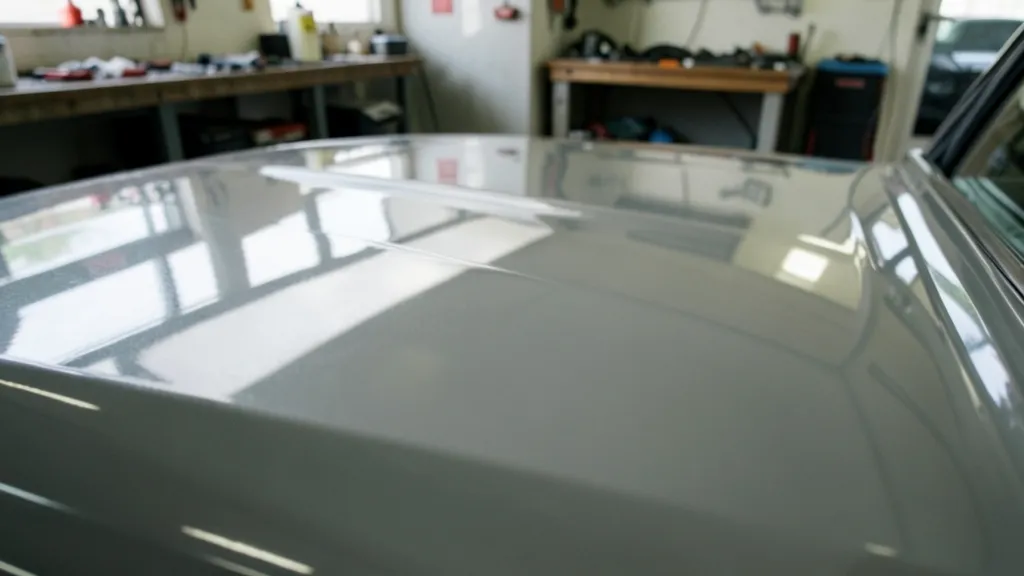
Before-and-after photos are the most honest way to judge a Ceramic Coating Houston installer’s skill. But not all images tell the full story. We’ll show you what separates real craftsmanship from clever editing—and how to spot the details that matter for long-term protection and shine.
Why Before-and-After Photos Matter for Ceramic Coating
A quality ceramic coating transforms your vehicle’s paint, but the proof is in the pictures. Real before-and-after shots reveal how well an installer corrects imperfections, enhances gloss, and prepares the surface for long-term protection.
In Houston’s harsh sun and humidity, subpar prep or application can lead to premature failure. Photos should show consistent results across panels, not just one ‘hero’ shot.
Red Flags in Ceramic Coating Photos
Beware of overly saturated or filtered images. True ceramic coating results rely on natural light and accurate color representation. If the ‘after’ shot looks like a different car, the editing may be hiding flaws.
Uneven gloss, visible swirls, or haze in the ‘after’ photo signal rushed paint correction. A pro’s work should eliminate these issues, not mask them.
Installers who only show a single angle or close-up may be hiding inconsistent application. Always ask for full-vehicle shots from multiple perspectives.
What to Look for in the ‘Before’ Photos
The ‘before’ images should clearly show the vehicle’s condition: oxidation, swirl marks, water spots, or dullness. This sets the baseline for the transformation.
Check for consistency in lighting and angle between the ‘before’ and ‘after’ shots. Misaligned framing can mislead the eye about the actual improvement.
Key Details in the ‘After’ Photos
A true ceramic coating enhances paint depth and clarity. Look for a mirror-like reflection, uniform gloss, and no visible defects like holograms or buffer trails.
Water behavior is a dead giveaway. Properly applied coatings exhibit extreme hydrophobicity—water should bead tightly and sheet off effortlessly, even in Houston’s frequent rain.
Ask the installer for videos of water behavior on the coated surface. Static photos can be staged, but dynamic water tests don’t lie.
Paint Correction: The Foundation of a Great Coating
Ceramic coatings amplify the paint’s condition—good or bad. Before applying the coating, pros perform multi-stage paint correction to remove swirls, scratches, and oxidation.
In Houston’s climate, neglecting this step can trap contaminants under the coating, leading to premature peeling or hazing. Look for photos that show the correction process, not just the final coating.
Ceramic Coating vs. Paint Protection Film: How Photos Differ
Ceramic coatings enhance paint and add a protective layer, while Paint Protection Film (PPF) is a physical barrier against chips and scratches. Their before-and-after photos serve different purposes.
Coating photos focus on gloss, depth, and hydrophobicity. PPF photos highlight self-healing properties and resistance to rock chips. Know which you’re evaluating.
| Feature | Ceramic Coating | Paint Protection Film (PPF) |
|---|---|---|
| Primary Benefit | Enhances gloss, UV protection, hydrophobicity | Physical protection against chips, scratches |
| Appearance in Photos | Deeper shine, water beading | Glossy or matte finish, self-healing marks |
| Durability | 2-5 years (depends on maintenance) | 5-10+ years |
| Visibility of Imperfections | Hides minor swirls, enhances clarity | Hides chips, scratches, but may show seams |
The Role of Lighting in Evaluating Photos
Natural sunlight reveals true paint condition. Photos taken in direct sunlight can wash out details, while shaded or indoor shots may hide flaws. Skilled installers use consistent, diffused lighting.
For Houston vehicles, ask for photos taken in local conditions—bright sun, humidity, or after rain—to see how the coating performs where you drive.
Our intense UV and humidity can accelerate coating degradation if applied improperly. Photos should reflect real-world conditions, not just studio shots.
Questions to Ask When Reviewing Photos
Don’t just look—ask. How many layers of coating were applied? Was paint correction performed? What prep steps were taken? A transparent installer will provide details.
For Ceramic Coating in Katy, Sugar Land, or The Woodlands, ask if the installer has experience with vehicles in your area. Local conditions can affect longevity and performance.
What to Confirm About the Photos
- Photos are of the actual vehicle (not stock images)
- Lighting and angles are consistent between before/after
- Water behavior is demonstrated (beading, sheeting)
- Paint correction steps are documented
- Full-vehicle shots are provided, not just close-ups
How to Verify a Ceramic Coating Installer’s Work in Houston
Use this step-by-step approach to separate the pros from the pretenders.
- 1Request Raw, Unedited Photos
Ask for high-resolution, unfiltered images of the vehicle in natural light. Edited photos can hide imperfections like swirls or uneven gloss.
- 2Check for Full-Vehicle Coverage
Ensure the before-and-after shots include all panels, not just the hood or roof. Inconsistent application is often visible in less-photographed areas like door jambs or wheel wells.
- 3Look for Water Behavior Videos
Static photos can be staged. Request videos showing water beading and sheeting off the surface. This proves the coating’s hydrophobic properties.
- 4Confirm Paint Correction Was Performed
Ask for photos of the paint correction process. Proper prep is critical for durability, especially in Houston’s climate. Look for steps like clay bar treatment, compounding, and polishing.
- 5Inspect for Uniform Gloss and Depth
In the ‘after’ photos, the paint should have a uniform, deep gloss with no visible defects. Any haze, swirls, or dull spots indicate poor prep or application.
- 6Ask About Local Experience
Houston’s UV, humidity, and road conditions are unique. Confirm the installer has experience with vehicles in your area, whether it’s Ceramic Coating in Pearland or The Woodlands.
Frequently Asked Questions
How can I tell if a Ceramic Coating Houston installer’s photos are real?
Look for inconsistencies in lighting, shadows, or reflections between the before and after shots. Request raw, unedited images or videos of water behavior. A reputable installer will provide transparent, verifiable proof.
What’s the difference between a ceramic coating and wax in photos?
Ceramic coatings create a permanent bond with the paint, resulting in extreme gloss, depth, and hydrophobicity that lasts years. Wax provides temporary shine and water beading that fades within weeks. Photos of ceramic coatings will show longer-lasting, more dramatic results.
Should I expect to see paint correction in the before-and-after photos?
Yes. Proper ceramic coating application always includes paint correction to remove swirls, scratches, and oxidation. If the ‘before’ photos show significant defects but the ‘after’ photos don’t address them, the installer may have skipped this critical step.
How does Houston’s climate affect ceramic coating results in photos?
Houston’s intense UV rays and humidity can cause paint to oxidize or fade quickly. A well-applied ceramic coating should protect against these issues, and photos should reflect a vehicle that maintains its gloss and color despite the local climate.
Can ceramic coating fix deep scratches or chips?
No. Ceramic coatings enhance and protect the existing paint but cannot fill in deep scratches or chips. For those, you’d need paint correction or Paint Protection Film (PPF). Photos should not claim to ‘fix’ deep damage with coating alone.
What should I look for in ceramic coating photos for dark-colored cars?
Dark-colored vehicles show swirls, scratches, and uneven application more easily. In the ‘after’ photos, look for a flawless, mirror-like finish with no visible defects. The coating should enhance the depth and richness of the paint.