How to Test If Your Ceramic Coating Is Still Effective in Ceramic Coating Houston
Ceramic coatings don’t last forever, even in ideal conditions. Over time, Houston’s harsh sun, humidity, and road grime wear down their protective qualities. Knowing how to test your coating’s effectiveness helps you decide whether it’s time for a refresh or if it’s still shielding your paint as intended.
Why Ceramic Coatings Lose Effectiveness Over Time
Ceramic coatings bond with your vehicle’s clear coat to create a hydrophobic, UV-resistant layer. But constant exposure to Houston’s intense sunlight, pollutants, and even improper washing can degrade this bond.
The coating’s hydrophobic properties weaken first, reducing water beading. Next, its ability to repel contaminants like bird droppings or tree sap diminishes, leaving your paint more vulnerable.
The Water Beading Test: Your First Check
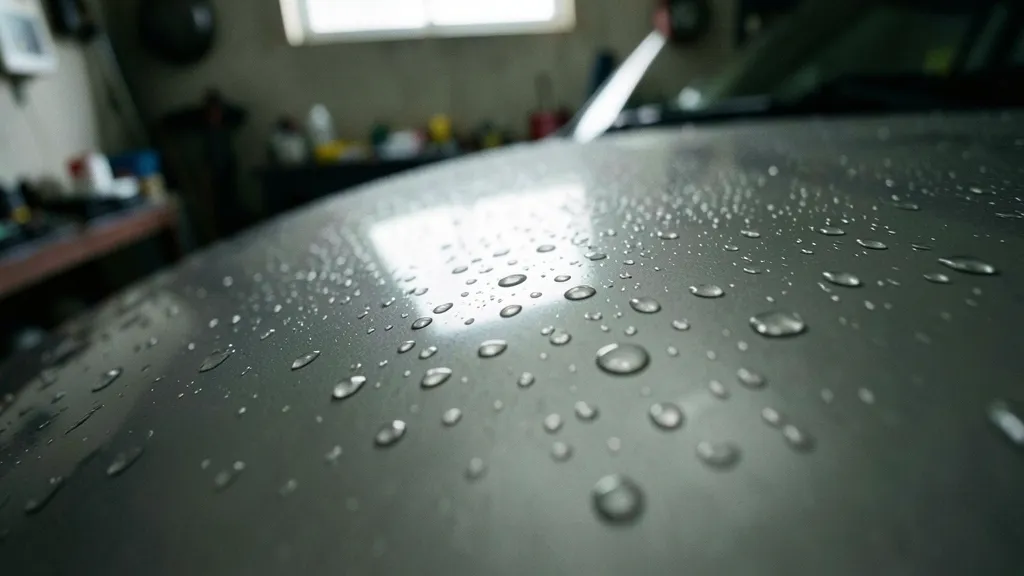
A fresh ceramic coating causes water to bead tightly and roll off effortlessly. If water sheets or flattens on the surface, the hydrophobic layer is likely fading.
For best results, test on a clean, dry panel. Use a spray bottle to apply water evenly. Observe how it behaves—tight beads mean your coating is still active.
Test in the early morning or late evening when temperatures are cooler. Heat can cause water to evaporate too quickly, skewing your results.
The Dirt and Contaminant Repellency Test
Ceramic coatings excel at repelling dirt, dust, and grime. If your vehicle stays dirty longer after a wash or if contaminants stick stubbornly, the coating’s self-cleaning properties are likely compromised.
Pay attention to areas like the hood and roof, which receive the most direct sunlight. These spots often show wear first in Houston’s climate.
Chemical Resistance: The Spot Test
Apply a small amount of a pH-neutral automotive shampoo or a dedicated ceramic coating test spray to a microfiber towel. Gently rub a small, inconspicuous area of your vehicle’s paint.
If the coating is intact, the liquid should bead and slide off without leaving residue. If it smears or leaves a mark, the protective layer may be breaking down.
Visual Inspection: Gloss and Clarity
A well-maintained ceramic coating enhances your paint’s gloss and depth. If the finish looks dull or hazy, even after a thorough wash and wax, the coating may no longer be performing optimally.
Check for swirl marks or fine scratches. While ceramic coatings add a layer of scratch resistance, they aren’t invincible. Over time, improper washing or automatic car washes can introduce micro-scratches.
Comparing Ceramic Coating Longevity Factors
Not all ceramic coatings are created equal. The longevity of your coating depends on its formulation, application quality, and environmental exposure. Below is a comparison of key factors that influence durability.
Houston’s climate, with its high humidity and UV index, can accelerate wear. Regular maintenance, like using pH-neutral soaps and avoiding abrasive tools, can extend your coating’s life.
| Factor | High-Impact | Moderate-Impact | Low-Impact |
|---|---|---|---|
| Climate Conditions | Extreme UV, high humidity | Moderate sun, occasional rain | Mild weather, low humidity |
| Maintenance Routine | Improper washing, harsh chemicals | Regular washing, pH-neutral soaps | Professional detailing, ceramic boosters |
| Coating Quality | Consumer-grade, DIY application | Pro-grade, professional application | Premium nano-ceramic, multi-layer |
| Environmental Exposure | Frequent highway driving, industrial areas | Urban driving, occasional pollutants | Garage-kept, minimal exposure |
When to Consider a Refresh or Reapplication
If your tests reveal that the coating is no longer repelling water, dirt, or contaminants effectively, it may be time for a refresh. In some cases, a maintenance spray or booster can restore hydrophobic properties temporarily.
For severe degradation, especially if the paint shows oxidation or swirl marks, a full reapplication may be necessary. This often requires paint correction first to ensure a flawless base.
Signs It’s Time for a Ceramic Coating Refresh
- Water no longer beads on the surface
- Dirt and grime stick and are harder to remove
- Paint appears dull or lacks depth
- Chemical resistance is visibly reduced
- Swirl marks or scratches are more noticeable
Extending Your Coating’s Life in Houston’s Climate
Houston’s heat and humidity are tough on automotive finishes. Regular washing with pH-neutral soaps and using a ceramic coating maintenance spray every 3-6 months can help preserve its properties.
Parking in a garage or under a carport reduces UV exposure, while avoiding automatic car washes with harsh brushes prevents premature wear. For maximum protection, pair your coating with paint protection film for high-impact areas.
How to Perform a Comprehensive Ceramic Coating Test
Follow these steps to accurately assess your ceramic coating’s effectiveness.
- 1Clean the Surface
Wash and dry your vehicle thoroughly to remove dirt, wax, or sealants that could interfere with the test. Use a pH-neutral automotive shampoo.
- 2Test Water Beading
Spray water onto a horizontal surface like the hood or roof. Observe if the water forms tight beads and rolls off. Poor beading indicates a weakening coating.
- 3Check Dirt Repellency
After driving, note how easily dirt and grime wash off during your next cleaning. If contaminants cling, the coating’s self-cleaning properties are fading.
- 4Inspect for Gloss and Clarity
Examine the paint’s shine in direct sunlight. A healthy ceramic coating enhances gloss. Dullness or haziness suggests the coating is no longer effective.
- 5Conduct a Chemical Spot Test
Apply a small amount of pH-neutral shampoo to a microfiber towel and gently rub a test area. If the liquid beads and slides off, the coating is still active.
Frequently Asked Questions
How often should I test my ceramic coating in Ceramic Coating Houston?
We recommend testing your coating every 3-6 months, especially in Houston’s harsh climate. More frequent checks are wise if your vehicle is exposed to extreme sun, humidity, or pollutants.
Can I restore my ceramic coating’s effectiveness without reapplying?
Yes, in some cases. Maintenance sprays or ceramic boosters can temporarily restore hydrophobic properties. However, if the coating is severely degraded, a full reapplication may be necessary.
Does ceramic coating prevent all scratches and swirl marks?
No. While ceramic coatings add a layer of scratch resistance, they are not scratch-proof. Improper washing, automatic car washes, or harsh contaminants can still cause swirl marks or fine scratches.
What’s the difference between ceramic coating and paint protection film?
Ceramic coatings are liquid polymers that bond with your paint to create a hydrophobic, UV-resistant layer. Paint protection film (PPF) is a physical, self-healing urethane layer that provides superior protection against scratches, chips, and impacts. Many Houston vehicle owners use both for maximum defense.
Will a ceramic coating last longer if I pair it with other protective services?
Absolutely. Combining ceramic coating with services like paint correction, PPF installation, or ceramic window tint can extend its lifespan and enhance overall protection. These services address different vulnerabilities, creating a comprehensive shield for your vehicle.
How does Houston’s climate affect my ceramic coating?
Houston’s high UV index, humidity, and pollutants accelerate the breakdown of ceramic coatings. The heat can cause the coating to cure improperly if not applied correctly, while humidity and pollutants can degrade its hydrophobic properties over time.