Hydrophobic vs. Hydrophilic Ceramic Coatings: What Houston Drivers Need to Know in Ceramic Coating Houston, TX
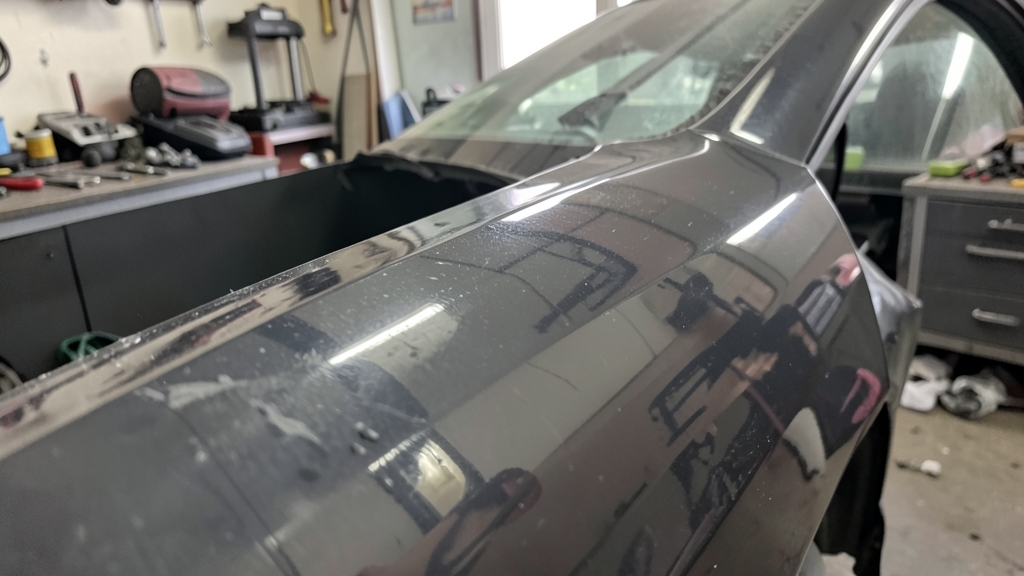
Houston’s humidity and intense sun demand smart paint protection. The choice between hydrophobic and hydrophilic ceramic coatings isn’t just technical—it changes how your vehicle sheds water, resists stains, and stays cleaner between washes. We break down the science so you can pick the right shield for our roads.
Why Water Behavior Matters on Houston Roads
Our coastal climate means constant moisture—morning dew, sudden downpours, even road spray from Bayou City potholes. How a coating handles water dictates its real-world performance.
Hydrophobic coatings repel water aggressively, causing it to bead and roll off. Hydrophilic coatings attract water, spreading it into a thin sheet that carries dirt away.
Hydrophobic Ceramic Coatings: The Beading Effect
These coatings use nano-ceramic polymers (often SiO2-based) to create a surface tension that water can’t penetrate. Drops form tight beads, picking up contaminants as they slide off.
Ideal for drivers who prioritize that just-washed look. The beading also reduces water spots, a common issue in areas like Pasadena or Sugar Land where mineral-heavy water dries quickly on paint.
Downside? In heavy rain, beading can create visual distortion as water pools between beads. Not a dealbreaker, but worth noting for daily commuters.
Hydrophobic coatings excel in UV resistance, crucial for protecting paint from Texas sun. Pair with ceramic window tint for full-spectrum defense.
Hydrophilic Ceramic Coatings: The Sheeting Advantage
These coatings pull water into a uniform layer, which glides off the surface like a sheet. Dirt and grime lift away with the water flow, reducing the need for frequent washes.
Perfect for Houston’s dusty seasons or drivers in Pearland and Katy who face long stretches between car washes. The sheeting effect also minimizes water spots by preventing droplets from lingering.
Trade-off: Less dramatic beading means some drivers miss the ‘showroom’ aesthetic. But the self-cleaning benefit often outweighs this for practicality.
Side-by-Side: Hydrophobic vs. Hydrophilic in Key Areas
The right choice depends on your priorities: looks, maintenance, or climate adaptability. Below, we compare the two where it counts most for Houston drivers.
| Feature | Hydrophobic | Hydrophilic |
|---|---|---|
| Water Behavior | Beads into droplets | Sheets uniformly |
| Self-Cleaning | Good (dirt lifts with beads) | Excellent (dirt washes away) |
| Water Spot Resistance | High (beads reduce contact) | Moderate (depends on water mineral content) |
| Visual Appeal | High (mirror-like beading) | Moderate (subtle sheeting) |
| Maintenance | Low (easy to dry) | Very Low (less frequent washing) |
| Ideal for Houston Climate | Best for UV/sun protection | Best for humidity/dust |
Durability and Longevity: What Houston’s Climate Demands
Both types bond to your paint at a molecular level, but longevity varies by formulation and prep work. Paint correction and polishing before application ensure maximum adhesion—critical in our fluctuating temps.
Hydrophobic coatings often last 2-5 years with proper care. Hydrophilic variants can push 3-6 years, as their sheeting action reduces surface wear from debris.
In The Woodlands or Katy, where tree sap and pollen are constant, hydrophilic coatings may extend time between detail sessions.
Improper application can leave streaks or uneven bonding. Professional installation ensures even coverage, especially around curves and edges where water pools.
Pairing Coatings with Other Protective Services
Ceramic coatings work best as part of a layered defense. Paint Protection Film (PPF) adds a physical barrier against rock chips, while ceramic window tint blocks UV rays that degrade interiors.
For wheels and brake calipers, ceramic coatings resist brake dust and high temps—common issues for Houston’s stop-and-go traffic. Interior ceramic protection shields dashboards from sun fading.
Fleet vehicles in commercial zones benefit from hydrophobic coatings to maintain a professional appearance with minimal upkeep.
How Houston’s Seasons Affect Performance
Summer’s extreme heat can accelerate curing for new coatings, but it also tests their UV resistance. Hydrophobic coatings often outperform here by reflecting more sunlight.
Winter’s rare freezes aren’t a major concern, but the humidity in spring and fall favors hydrophilic coatings’ self-cleaning properties.
Year-round, both types reduce the need for harsh chemicals during washes, preserving your paint’s integrity longer.
How to Choose Between Hydrophobic and Hydrophilic for Your Vehicle
Narrowing down the right coating starts with assessing your driving habits and priorities.
- 1Evaluate Your Climate Exposure
If you park outside in Houston’s sun, prioritize UV resistance—hydrophobic coatings lead here. For frequent rain or dust, hydrophilic may be better.
- 2Consider Maintenance Effort
Prefer washing your car weekly? Hydrophobic’s beading makes drying easier. Want to wash less often? Hydrophilic’s sheeting keeps surfaces cleaner longer.
- 3Assess Aesthetic Preferences
Love the look of water beading? Hydrophobic delivers. Prefer a subtler, more functional approach? Hydrophilic fits the bill.
- 4Factor in Vehicle Usage
Daily drivers in Katy or The Woodlands benefit from hydrophilic’s self-cleaning. Show cars or weekend cruisers may favor hydrophobic’s visual pop.
- 5Consult a Local Expert
Our team can inspect your paint’s condition and discuss how coatings interact with services like paint correction or PPF installation. Request a quote to explore options.
Frequently Asked Questions
Can I switch from hydrophobic to hydrophilic ceramic coating later?
Yes, but it requires removing the existing coating first. This process involves careful polishing to avoid damaging the paint. Always have a professional handle it to ensure a clean, even surface for the new coating.
Do hydrophilic coatings work well in Houston’s hard water areas?
They perform well, but hard water can still leave mineral deposits if not rinsed properly. Using distilled water for final rinses helps. Hydrophilic coatings reduce spotting compared to unprotected paint, but aren’t immune to extreme mineral content.
Are ceramic coatings worth it for older vehicles in Ceramic Coating Houston?
Absolutely, if the paint is in good condition. We often start with paint correction to restore clarity before applying a coating. Older vehicles benefit from the added protection against UV fading and contaminants.
How do ceramic coatings compare to wax or sealants?
Ceramic coatings last years, not months, and offer superior protection against UV rays, chemicals, and scratches. Wax and sealants provide temporary shine and water beading but require frequent reapplication—especially in Houston’s harsh climate.
Can ceramic coatings be applied over existing PPF?
Yes, and it’s a popular combo. PPF protects against physical damage, while a ceramic coating adds hydrophobic or hydrophilic properties on top. This duo offers the ultimate defense for vehicles in high-risk areas like downtown Houston.
What’s the biggest mistake Houston drivers make with ceramic coatings?
Skipping proper prep work. Paint correction and thorough cleaning are essential for maximum bonding and longevity. Also, using harsh soaps or automatic car washes can degrade the coating prematurely.