How Industrial Pollution Affects Ceramic Coating Durability in Ceramic Coating Houston
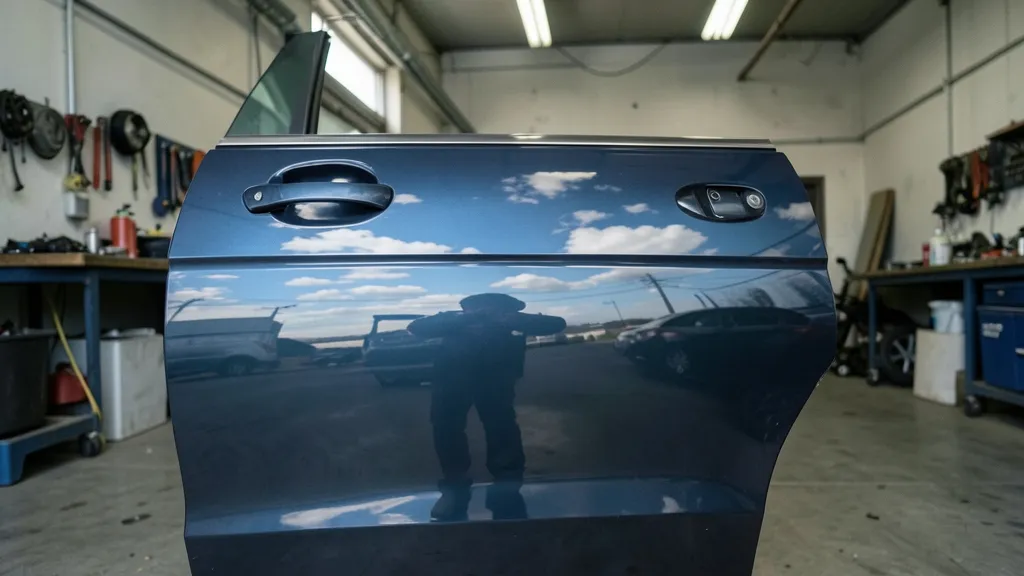
Houston’s industrial landscape brings unique challenges for vehicle owners. Airborne contaminants from refineries, factories, and heavy traffic can accelerate wear on even the toughest ceramic coatings. We’ll break down how these pollutants interact with your coating and what you can do to preserve its protective qualities.
Why Houston’s Air Quality Matters for Your Ceramic Coating
Houston’s proximity to the Ship Channel and dense industrial zones means higher concentrations of sulfur dioxide, nitrogen oxides, and particulate matter. These pollutants settle on surfaces, creating a corrosive layer that can degrade ceramic coatings over time.
Unlike inland cities, our coastal humidity traps these contaminants longer, increasing their contact time with your vehicle’s finish. This combination of moisture and chemicals speeds up the breakdown of protective layers.
How Industrial Fallout Attacks Ceramic Coatings
Industrial fallout—tiny metal particles, soot, and chemical residues—bonds to your vehicle’s paint. Even hydrophobic ceramic coatings can’t fully repel these microscopic invaders, which embed into the clear coat if not removed promptly.
Over time, these particles create micro-scratches and oxidation spots. In Houston, the heat amplifies this effect, causing the coating to lose its gloss and hydrophobic properties faster than in milder climates.
Industrial contaminants become harder to remove after 48 hours. Regular decontamination washes are critical in Houston’s environment.
Ceramic Coating vs. Paint Protection Film: Which Handles Pollution Better?
Both ceramic coatings and PPF offer protection, but they respond differently to industrial pollutants. Ceramic coatings provide a hard, sacrificial layer that resists chemical etching but can still show swirl marks from embedded particles.
PPF, on the other hand, is a physical barrier that absorbs impacts and self-heals minor scratches. However, it’s less resistant to chemical staining without a ceramic top coat. For Houston drivers, a hybrid approach often delivers the best defense.
| Protection Type | Chemical Resistance | Scratch Resistance | Self-Healing | Longevity |
|---|---|---|---|---|
| Ceramic Coating | High (repels acids, UV) | Moderate (9H hardness) | No | 2-5 years |
| Paint Protection Film | Moderate (stains without top coat) | High (absorbs impacts) | Yes (minor) | 5-10 years |
| Hybrid (PPF + Ceramic Coating) | Very High | High | Yes (minor) | 7-12 years |
The Role of Houston’s Climate in Coating Degradation
Houston’s heat and humidity create a perfect storm for coating stress. High temperatures soften contaminants, making them stickier and harder to wash off. Meanwhile, UV rays break down the polymer bonds in lower-quality coatings.
Seasonal shifts—like sudden summer storms—can also introduce acidic rain, which etches unprotected surfaces. A professional-grade ceramic coating with high silica content resists these effects far better than consumer products.
Signs Your Ceramic Coating Is Struggling with Pollution
Loss of hydrophobicity is the first red flag. If water no longer beads and sheets off, contaminants may have compromised the coating’s surface energy. This often appears after prolonged exposure to industrial areas like Pasadena or the Ship Channel.
Other warning signs include dullness, visible water spots, or a rough texture when running your fingers over the paint. These indicate embedded pollutants or chemical etching that require professional intervention.
When to Seek Professional Help
- Water no longer beads on the surface
- Visible swirl marks or haze under direct light
- Stains or etching that won’t wash off
- Coating feels rough or gritty to the touch
Maintenance Tips to Extend Your Coating’s Life in Houston
Weekly two-bucket washes with a pH-neutral shampoo remove surface contaminants before they bond. Use a grit guard to prevent swirl marks from embedded particles.
Every 3-6 months, perform a decontamination wash with an iron remover and clay bar. This is non-negotiable for vehicles in Sugar Land, Pearland, or Katy, where industrial dust is prevalent.
Apply a ceramic boost spray every 6 months to replenish hydrophobic properties. This is especially important after Houston’s intense summer heat waves.
Brush-based car washes can grind industrial contaminants into your coating. Stick to touchless or hand-wash methods in The Woodlands or Katy to preserve your finish.
When to Consider a Professional Reapplication
Even the best ceramic coatings have a lifespan. In Houston’s harsh conditions, high-end coatings typically last 3-5 years, while budget options may fail in under 2. If your coating no longer repels water or looks dull, it’s time for a refresh.
Before reapplying, a full paint correction may be necessary to remove embedded contaminants and oxidation. This ensures the new coating bonds properly to a clean, smooth surface.
How to Remove Industrial Fallout from Your Ceramic Coating
Follow these steps to safely decontaminate your vehicle and restore your coating’s performance.
- 1Pre-Rinse with Pressure
Use a pressure washer to remove loose dirt and surface contaminants. This prevents scratching during the wash process.
- 2Apply Iron Remover Spray
Spray an iron-removing product (like P&S Brake Buster) onto dry panels. Let it dwell for 2-3 minutes until it turns purple, indicating dissolved iron particles.
- 3Clay Bar Treatment
Lubricate the surface with detailer spray and gently glide a clay bar over the paint. This lifts embedded contaminants that the iron remover couldn’t dissolve.
- 4pH-Neutral Wash
Wash the vehicle with a pH-neutral shampoo using the two-bucket method. This ensures no residual contaminants remain.
- 5Apply Ceramic Boost Spray
After drying, apply a ceramic boost spray to restore hydrophobicity and add a temporary protective layer until your next maintenance wash.
Frequently Asked Questions
Does ceramic coating protect against acid rain in Houston?
Yes, high-quality ceramic coatings resist mild acid rain due to their chemical-resistant properties. However, prolonged exposure—common in areas like Pasadena—can still cause etching. Regular maintenance and a ceramic boost spray help mitigate this.
How often should I reapply ceramic coating in Houston’s climate?
Professional-grade ceramic coatings last 3-5 years in Houston, but harsh conditions may shorten this. If you notice reduced hydrophobicity or dullness, it’s time for a reapplication. Always start with paint correction to ensure proper bonding.
Can I apply ceramic coating over existing PPF in Ceramic Coating Houston?
Absolutely. Applying a ceramic coating over PPF enhances its chemical resistance and hydrophobic properties. This hybrid approach is popular among Houston drivers for maximum protection against industrial pollutants and UV damage.
What’s the best ceramic coating for Houston’s industrial pollution?
Look for coatings with high silica (SiO2) or titanium dioxide (TiO2) content, as these offer superior chemical resistance and durability. Brands like Gtechniq, Ceramic Pro, and CarPro Cquartz are top choices for local conditions.
Will ceramic coating prevent water spots from Houston’s hard water?
Ceramic coatings reduce water spotting by repelling minerals in hard water, but they don’t eliminate them entirely. Regular drying and the use of a water spot remover can help maintain a flawless finish, especially in areas with high mineral content like Katy or The Woodlands.
Is paint correction necessary before ceramic coating in Houston?
Yes, paint correction removes swirl marks, oxidation, and embedded contaminants, ensuring the ceramic coating bonds to a smooth, clean surface. Skipping this step can trap pollutants under the coating, reducing its effectiveness and longevity.