Polishing vs. Compounding: Which Does Your Car Need Before Ceramic Coating Houston?
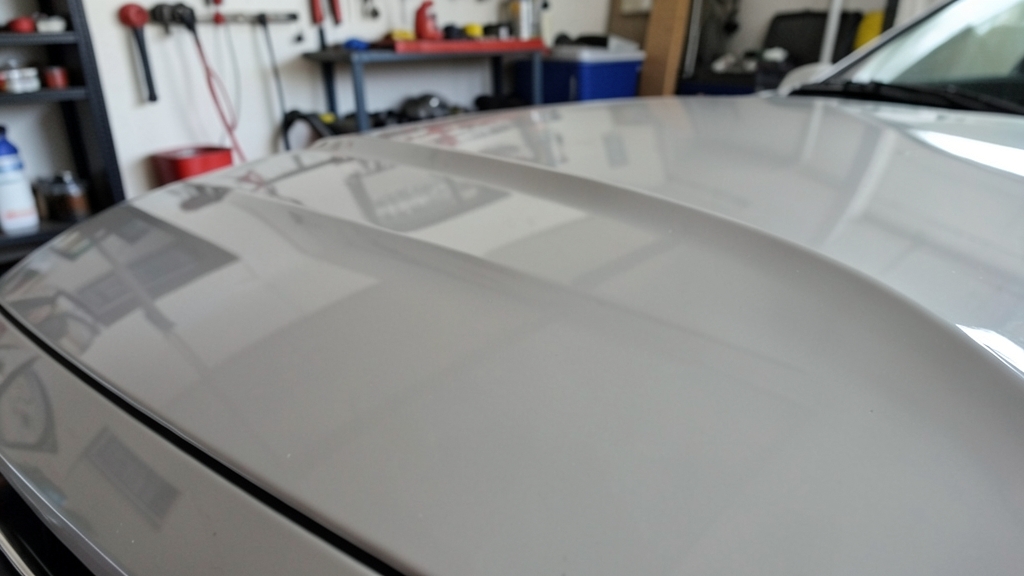
Ceramic coatings bond permanently to your paint—so the surface must be flawless first. Polishing and compounding both correct imperfections, but they serve distinct roles in paint prep. We’ll clarify which process your vehicle needs before we apply a ceramic coating in Houston’s harsh sun and humidity.
Why Paint Correction Is Non-Negotiable Before Ceramic Coating
Ceramic coatings lock in the current state of your paint. If swirls, scratches, or oxidation exist, they’ll be sealed under the coating forever.
Houston’s intense UV and humidity accelerate paint degradation, making thorough correction critical. Skipping this step wastes the coating’s protective and gloss-enhancing benefits.
Applying ceramic coating over uncorrected paint amplifies flaws. Always correct first, then protect.
Compounding: The Heavy Lifter for Deep Defects
Compounding uses abrasive compounds to remove severe imperfections: deep scratches, heavy oxidation, water spots, or acid rain etching.
It’s an aggressive cut—often with a rotary or dual-action polisher and coarse pads—to level the clear coat. This step is common for neglected vehicles or those with significant Houston sun damage.
Polishing: Refining for a Mirror Finish
Polishing follows compounding (or stands alone for lighter defects). It uses finer abrasives to remove light swirls, holograms, and minor scratches while enhancing gloss.
A finishing polish with a soft pad brings out the deep, reflective shine ceramic coatings are known for. It’s the step that makes paint pop under Texas skies.
Key Differences at a Glance
The choice hinges on defect severity. Compounding addresses deep issues; polishing perfects the surface. Many vehicles need both for optimal ceramic coating adhesion and aesthetics.
| Aspect | Compounding | Polishing |
|---|---|---|
| Purpose | Remove deep scratches, oxidation, heavy defects | Remove light swirls, enhance gloss |
| Abrasiveness | High (coarse compounds) | Low to medium (fine polishes) |
| Tools Used | Rotary/DA polisher, wool or cutting pads | DA polisher, foam or microfiber pads |
| Typical Defects | Water spots, deep scratches, acid rain etching | Holograms, buffer trails, minor marring |
| Paint Removal | Significant clear coat removal | Minimal clear coat removal |
| Follow-Up | Often requires polishing afterward | Final step before coating |
How Houston’s Climate Affects Your Paint Prep Needs
Our region’s high humidity and UV index accelerate oxidation and water spot formation. Vehicles parked outside often need compounding to address etched-in contaminants.
Even newer cars can develop swirls from automatic car washes common in areas like Katy or The Woodlands. Polishing restores clarity before we apply ceramic protection.
Use a paint thickness gauge before compounding. Houston’s older vehicles or repainted panels may have thin clear coat—aggressive cutting risks burn-through.
When to Skip Compounding (And When You Can’t)
If your paint has only light swirls or dullness, a one-step polish may suffice. This is common for well-maintained vehicles in Sugar Land or Pearland.
But if you see deep scratches, heavy oxidation, or feel roughness with your fingernail, compounding is mandatory. Skipping it here leads to a subpar ceramic coating finish.
The Full Paint Correction Process We Use
We start with a thorough wash and decontamination (clay bar or iron remover) to remove embedded grit. This prevents inflicting new scratches during correction.
Next, we assess defects under LED lighting. Deep issues get compounded; lighter ones are polished. A final IPA wipe ensures a clean, oil-free surface for the ceramic coating to bond.
Pre-Ceramic Coating Paint Correction Checklist
- Wash and decontaminate paint (clay bar, iron remover)
- Inspect under halogen/LED lights for defects
- Measure paint thickness in multiple areas
- Compound deep scratches/oxidation (if needed)
- Polish to refine finish and remove light swirls
- Final wipe with isopropyl alcohol (IPA) solution
- Recheck surface for perfection before coating
Pairing Correction with Other Protective Services
Paint correction isn’t just for ceramic coatings. We often combine it with Paint Protection Film (PPF) in high-impact areas for vehicles in Pasadena or commercial fleets.
For full protection, consider ceramic window tint to block UV and heat, or wheel and brake caliper coatings to resist brake dust and road grime common on Houston highways.
How to Decide Between Polishing and Compounding for Your Car
Assess your paint’s condition with these steps to choose the right prep before ceramic coating.
- 1Wash and Dry Thoroughly
Use a pH-neutral car shampoo and microfiber towels to remove surface dirt. This reveals true paint condition without masking defects.
- 2Inspect Under Direct Light
Park in sunlight or use a bright LED lamp. Run your fingers lightly over the paint—deep scratches or roughness indicate compounding is needed.
- 3Check for Oxidation or Water Spots
Oxidation appears as chalky or faded areas. Water spots (common after Houston rains) may be etched into the clear coat, requiring compounding.
- 4Test a Small Area
Apply a fine polish to a hidden spot with a dual-action polisher. If defects remain, compounding is necessary. If they disappear, polishing alone may suffice.
- 5Consult a Professional
For uncertain cases, our team uses paint thickness gauges and professional lighting to determine the safest, most effective correction path.
Frequently Asked Questions
Can I apply ceramic coating without polishing or compounding?
No. Ceramic coatings amplify existing flaws. Even minor swirls become permanent under the coating. Proper paint correction ensures a flawless, long-lasting finish.
How long does paint correction take before Ceramic Coating Houston?
A full correction (compounding + polishing) typically takes 1–3 days, depending on vehicle size and defect severity. Simple polishing may take 4–6 hours. Request a quote for an exact timeline.
Will compounding damage my paint?
When done correctly, compounding removes a controlled layer of clear coat to level defects. Our team monitors paint thickness to avoid over-cutting, especially on older or repainted vehicles.
Is polishing enough for a new car before ceramic coating?
Often, yes. New cars may only have light swirls from dealership prep or transport. A light polish removes these without aggressive cutting, preserving the factory clear coat.
Do you offer paint correction for fleets or commercial vehicles in Houston?
Yes. We provide full paint correction and ceramic coating services for fleets, including box trucks and service vans in areas like Pasadena and Katy, to protect against commercial wear and UV damage.
What’s the difference between a one-step and two-step polish?
A one-step polish combines cutting and finishing in one product, suitable for light defects. A two-step uses a separate compound and polish for deeper correction, ideal for heavier swirls or oxidation.