What a Reputable Ceramic Coating Process Looks Like in Ceramic Coating Houston
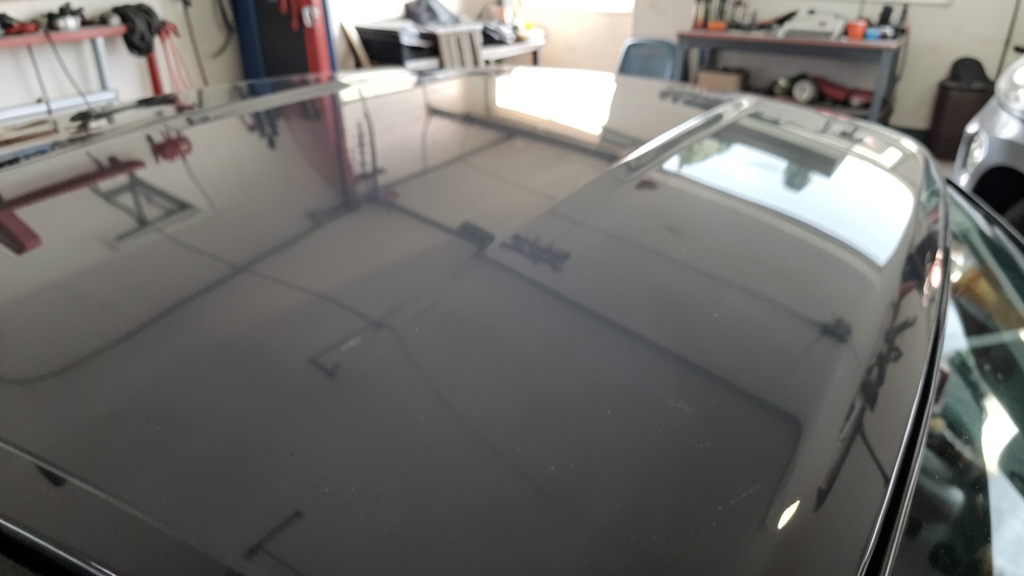
A proper ceramic coating isn’t just a spray-and-wipe job. In our hands, it’s a meticulous, multi-stage process that transforms your vehicle’s paint into a glossy, long-lasting shield against Houston’s harsh sun, humidity, and road grime. Here’s exactly how we do it—and why cutting corners isn’t an option.
Why Houston’s Climate Demands a Flawless Ceramic Coating Process
Houston’s relentless UV rays, high humidity, and sudden temperature swings accelerate paint oxidation and clear coat failure. A rushed or improperly applied coating won’t hold up.
Our process accounts for these local stressors, ensuring the ceramic polymer bonds deeply and evenly. This isn’t just about shine—it’s about survival on roads from The Woodlands to Katy.
Step 1: Deep Cleaning and Decontamination
We start with a thorough two-bucket wash using pH-neutral shampoo to remove surface dirt without stripping existing wax or sealants. This prevents swirls during later stages.
Next, a clay bar or synthetic clay mitt lifts embedded contaminants—iron particles, industrial fallout, and tar—that washing alone can’t touch. Skipping this step risks trapping debris under the coating.
Iron particles left on paint will continue to oxidize, causing rust spots that the ceramic coating can’t stop. A reputable shop will always perform this step.
Step 2: Paint Correction – The Foundation of a Flawless Finish
Even minor swirls, scratches, or water spots will be permanently locked in under a ceramic coating. That’s why we perform multi-stage paint correction using dual-action polishers and fine abrasives.
We measure paint thickness with a gauge to avoid over-polishing, especially on thin factory clear coats common in newer vehicles. This step restores clarity and depth before the coating goes on.
Step 3: Final Prep – The Make-or-Break Stage
After correction, we perform a final wipe-down with isopropyl alcohol or a dedicated prep solution to remove all oils, polish residues, and fingerprints. Any leftover contaminants will weaken the coating’s bond.
The vehicle is then moved to a climate-controlled bay. Ceramic coatings cure best in stable temperatures, which is critical in Houston’s unpredictable weather.
Pre-Coating Final Checks
- All panels are 100% dry and free of moisture
- No residual polish or wax remains
- Paint surface passes the ‘bag test’ for dust
- Environmental controls are set (65-75°F, <50% humidity)
Step 4: Ceramic Coating Application – Precision Matters
We apply the nano-ceramic polymer in small, manageable sections using high-quality microfiber applicators. Each panel gets 1-2 thin, even layers—thicker isn’t better and can lead to streaking or uneven curing.
Cross-hatching techniques ensure full coverage, especially on curved surfaces like fenders and hoods. The first layer bonds to the paint, while the second enhances depth and hydrophobic properties.
Ceramic Coating vs. Wax vs. Sealant: What Houston Drivers Need to Know
Unlike wax or synthetic sealants, which sit on the surface and degrade in weeks, ceramic coatings chemically bond to the clear coat. This creates a semi-permanent layer that resists UV damage, chemicals, and minor scratches for years, not months.
For drivers in Pearland or Sugar Land, where dust and pollen are constant, a ceramic coating’s hydrophobic properties mean water and grime slide off effortlessly, reducing the need for frequent washes.
| Protection Type | Durability | UV Resistance | Hydrophobic Properties | Scratch Resistance |
|---|---|---|---|---|
| Ceramic Coating | 2-5+ years | Excellent | High (water beads at 110°+ contact angle) | Moderate (self-healing for light scratches) |
| Synthetic Sealant | 4-12 months | Good | Moderate | Low |
| Natural Carnauba Wax | 1-3 months | Fair | Low | None |
| Spray-On Ceramic | 6-12 months | Moderate | Moderate | Minimal |
Curing: The Invisible but Critical Phase
After application, the coating needs 24-48 hours to fully cure. During this time, the vehicle must stay dry and away from direct sunlight, bird droppings, or water spots.
We advise customers in Pasadena or Katy to avoid car washes, rain, or even heavy dew for at least 48 hours. Premature exposure to moisture can cause water spotting or uneven bonding.
Beyond the Paint: Full-Vehicle Ceramic Protection
A true ceramic coating process doesn’t stop at the body panels. We offer ceramic protection for wheels, brake calipers, and even interiors to shield against brake dust, UV fading, and spills.
For fleet and commercial vehicles in areas like The Woodlands, we tailor packages to include PPF for high-impact areas, ensuring long-term durability against road debris and harsh cleaning chemicals.
Combine ceramic coating with paint protection film on high-impact areas like the front bumper and hood. This hybrid approach maximizes defense against both UV rays and rock chips.
How to Verify a Reputable Ceramic Coating Process
Not all shops follow best practices—here’s how to spot the real deal.
- 1Ask About Prep Work
A reputable shop will insist on paint correction and decontamination before coating. If they skip these steps, walk away.
- 2Check Their Tools
Look for paint thickness gauges, dual-action polishers, and climate-controlled bays. These are non-negotiable for professional results.
- 3Inquire About Products
They should use industry-leading ceramic brands (e.g., Gtechniq, Ceramic Pro, CarPro) and explain the specific product’s longevity and properties.
- 4Review Their Curing Process
Ensure they provide clear aftercare instructions, including drying times and environmental restrictions. No vague answers allowed.
- 5Examine Past Work
Ask for before-and-after photos of local vehicles, especially those with similar paint conditions. Pay attention to gloss and reflection quality.
Frequently Asked Questions
How long does a professional ceramic coating last in Ceramic Coating Houston?
With proper prep and application, our ceramic coatings last 2-5+ years. Houston’s extreme UV and humidity can shorten this slightly, but regular maintenance (e.g., pH-neutral washes) extends longevity. Avoid automatic car washes with harsh brushes.
Can ceramic coating fix scratches or swirl marks?
No—ceramic coating enhances and protects the existing paint. Scratches and swirls must be corrected via paint correction (polishing) before the coating is applied. Otherwise, they’ll be permanently sealed in.
Is ceramic coating worth it for older cars in Houston?
Absolutely, if the paint is in good condition. For older vehicles with heavy oxidation or peeling clear coat, we first restore the surface. Ceramic coating then preserves that restored finish, adding value and protection.
How do I maintain my ceramic coating in Houston’s climate?
Wash your vehicle every 1-2 weeks with a pH-neutral shampoo and microfiber towels. Avoid wax or sealants, as they can interfere with the coating’s hydrophobic properties. Use a ceramic-safe detail spray for extra shine between washes.
Do you offer ceramic coating for wheels and interiors?
Yes. Wheel ceramic coating resists brake dust and makes cleaning easier, while interior ceramic protection guards against UV fading, stains, and spills. These add-ons are popular for vehicles in Sugar Land and Pearland.
What’s the difference between ceramic coating and paint protection film (PPF)?
Ceramic coating is a liquid polymer that bonds to paint, offering UV protection, hydrophobicity, and chemical resistance. PPF is a physical urethane film that protects against rock chips, scratches, and self-heals minor damage. Many Houston drivers combine both for ultimate protection.