Understanding the Science of Paint Correction Before Ceramic Coating in Houston in Ceramic Coating Houston, TX
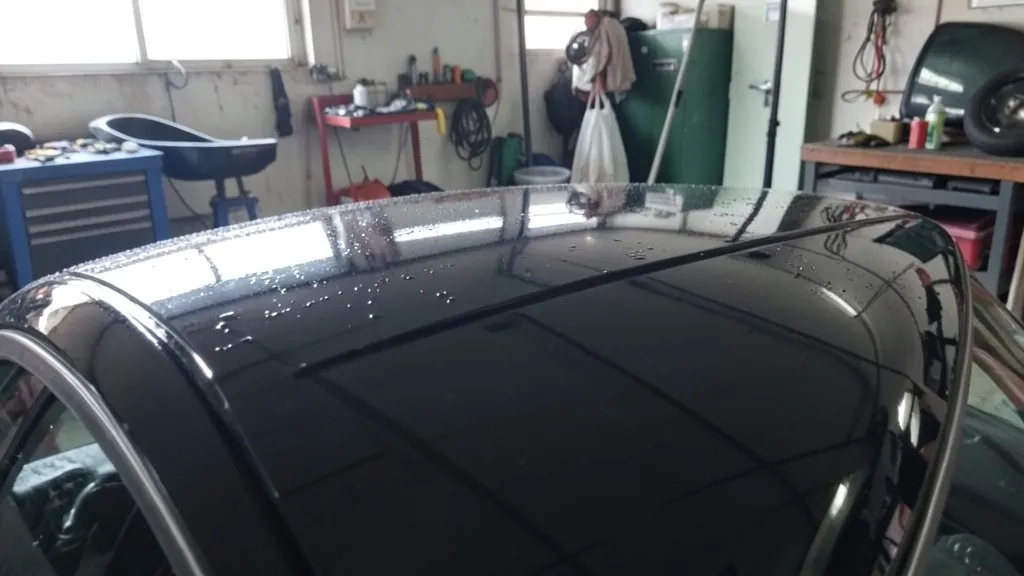
Paint correction isn’t just about making your car look good—it’s a precise, scientific process that restores your vehicle’s clear coat to a near-factory finish. For ceramic coating to bond properly and last, the surface must be flawless. In Houston’s harsh sun and humidity, skipping this step can cut the life of your coating in half.
Why Paint Correction Is Non-Negotiable Before Ceramic Coating
Ceramic coatings bond at a molecular level to your vehicle’s clear coat. If swirl marks, oxidation, or water spots remain, they’ll be sealed in permanently. That’s why we always start with paint correction—it’s the foundation of a durable, high-gloss finish.
Houston’s intense UV exposure and frequent rain accelerate paint degradation. Even new cars can have dealer-inflicted swirls or buffer trails. Correcting these defects ensures the ceramic coating adheres uniformly and performs as intended.
The Three Stages of Professional Paint Correction
Stage one targets heavy defects like deep scratches and severe oxidation. We use a coarse compound with a dual-action polisher to level the clear coat, removing a controlled layer of material without damaging the base coat.
Stage two refines the surface with a finer polish to eliminate lighter swirls and haze. This step restores clarity and depth, prepping the paint for the final stage of perfection.
| Stage | Primary Goal | Tools & Compounds |
|---|---|---|
| 1: Heavy Cut | Remove deep scratches, oxidation, and heavy swirls | Coarse compound, wool or microfiber cutting pads, dual-action polisher |
| 2: Medium Cut | Eliminate moderate defects and refine clarity | Medium-grade polish, finer microfiber pads |
| 3: Fine Polish | Remove micro-marring, enhance gloss | Finishing polish, soft foam pads, low-speed refinement |
How Houston’s Climate Affects Paint and Correction Work
Our high humidity and heat can make paint correction more challenging. Moisture in the air can cause compounds to dry too quickly, leading to holograms or uneven finishes. We control the environment in our bay to mitigate this.
Salt air from the Gulf and industrial pollutants in areas like Pasadena or Sugar Land can etch into clear coat over time. These contaminants require aggressive correction techniques to fully remove before coating.
Improper correction can burn through clear coat or create uneven surfaces. In Houston’s climate, mistakes are costlier—always trust a professional with a paint thickness gauge and experience.
The Tools and Techniques Behind Flawless Correction
We rely on dual-action polishers for their controlled, swirl-free motion. Rotary buffers, while powerful, are riskier and reserved for experienced hands. The right pad and compound combo is critical—too aggressive, and you risk clear coat failure.
Paint thickness gauges are essential. They measure the clear coat depth in microns, ensuring we never remove more material than the manufacturer allows. Most modern vehicles have 30–50 microns of clear coat—leaving less than 20 can cause issues.
Paint Correction vs. Paint Protection Film: When to Choose Which
Paint correction and PPF serve different purposes. Correction restores the existing paint, while PPF (like our installations in Katy or The Woodlands) adds a physical barrier against chips and scratches. Often, we combine both: correct the paint, then apply PPF to high-impact areas.
Ceramic coating enhances PPF by adding hydrophobic and UV-resistant properties. For full protection, many Houston drivers opt for a layered approach: correction, PPF on vulnerable panels, and ceramic coating over the entire vehicle.
| Aspect | Paint Correction | Paint Protection Film (PPF) |
|---|---|---|
| Purpose | Restores clarity and removes defects | Physical shield against chips, scratches, and stains |
| Durability | Permanent (until next repaint) | 5–10 years with proper care |
| Maintenance | Low (wash and wax as usual) | Low (self-healing properties, but requires cleaning) |
| Best For | Vehicles with swirls, oxidation, or fading | High-impact areas (hood, bumper, fenders) |
Prepping for Ceramic Coating: The Final Steps After Correction
Once correction is complete, we perform a thorough decontamination. This includes clay bar treatment to remove embedded iron particles and industrial fallout. Any remaining oils or residues are stripped with a panel prep solution.
A final inspection under halogen lights ensures no defects remain. Only then do we apply the ceramic coating, which chemically bonds to the now-pristine surface. This prep is what separates a good coating job from a great one.
Post-Correction Prep Checklist
- Clay bar decontamination to remove embedded contaminants
- Iron remover spray to dissolve brake dust and rail dust
- Panel prep solution to strip oils and waxes
- Final wash with pH-neutral shampoo
- Dry with microfiber towels and compressed air for crevices
- Inspect under multiple light sources for missed defects
How Long Does Paint Correction Take in Houston?
A full vehicle correction can take 1–3 days, depending on the paint’s condition and the level of perfection desired. Single-stage corrections (light swirls only) may be done in a day, while heavy oxidation or deep scratches require multi-day sessions.
We often break the process into sections—hood and roof one day, doors and quarters the next—to ensure meticulous attention. Rushing correction risks leaving defects behind, which defeats the purpose.
Maintaining Your Corrected Paint and Ceramic Coating
Ceramic coatings aren’t maintenance-free, but they drastically reduce upkeep. Wash your vehicle every 2 weeks with a pH-neutral shampoo to prevent dirt buildup. Avoid automatic car washes with harsh brushes—they can reintroduce swirls.
For drivers in Pearland or The Woodlands, where tree sap and pollen are common, a quick detailer spray can help maintain the hydrophobic properties between washes. And always dry your vehicle immediately to prevent water spots from etching the surface.
Use a ceramic-boosting spray every 6 months to refresh hydrophobicity. Park in garages or under covers to shield your vehicle from Houston’s intense UV rays.
How to Inspect Your Paint Before Ceramic Coating
A thorough inspection ensures you address all defects before applying a ceramic coating.
- 1Wash and Dry
Start with a deep clean using a pH-neutral shampoo and microfiber towels. This removes surface dirt that can obscure defects.
- 2Use a Paint Inspection Light
Shine a high-intensity LED or halogen light across each panel at an angle. This reveals swirls, scratches, and holograms not visible in natural light.
- 3Run Your Fingertips Over the Surface
Lightly drag your fingers across the paint. You’ll feel imperfections like deep scratches or oxidation that need correction.
- 4Check for Contaminants
Use a clay bar with lubricant to test for embedded contaminants. If the clay picks up grit, your paint needs decontamination before correction.
- 5Measure Paint Thickness
Use a paint thickness gauge to ensure there’s enough clear coat left for safe correction. Most OEM clear coats are 30–50 microns thick.
- 6Document Defects
Take photos and notes of all imperfections. This helps your detailer prioritize areas and track progress during correction.
Frequently Asked Questions
Can I apply ceramic coating without paint correction in Houston?
Technically, yes—but it’s not recommended. Ceramic coating will lock in any existing defects, making them permanent. In Houston’s climate, uncorrected paint will continue to degrade underneath the coating, leading to premature failure. Always correct first.
How much does paint correction cost before ceramic coating?
Cost depends on your vehicle’s size, paint condition, and the correction level needed. Heavy oxidation or deep scratches require more time and materials. For an accurate estimate, request a quote—we’ll assess your paint and provide a tailored plan.
Will paint correction remove all scratches from my car?
It depends on the scratch depth. Clear coat scratches can often be fully removed. Deeper scratches that penetrate the base coat may need touch-up paint or PPF. We’ll evaluate each defect during your consultation.
How often should I reapply ceramic coating in Houston?
With proper prep and maintenance, a professional ceramic coating lasts 2–5 years. Houston’s UV exposure and humidity can shorten this lifespan, so we recommend inspections every 12–18 months. Top-up sprays can extend protection between full re-applications.
Is paint correction safe for older vehicles in Ceramic Coating Houston?
Yes, but with caution. Older vehicles often have thinner clear coat. We use a paint thickness gauge to ensure we don’t remove too much material. In some cases, a single-stage correction is safer than a full multi-stage process.
Can I do paint correction myself before ceramic coating?
DIY correction is risky, especially for beginners. Mistakes like uneven polishing or burning through clear coat can be costly to fix. For reliable results—and to protect your investment in ceramic coating—leave it to professionals with the right tools and experience.