5 Clear Signs Your Ceramic Coating Is Failing and How to Fix It in Ceramic Coating Houston
Ceramic coatings are built to last, but even the toughest 9H-rated layers break down over time. If your vehicle’s finish looks dull, streaked, or less hydrophobic, your coating may be failing. We’ll help you diagnose the issue and decide whether restoration or a fresh application is the right move.
Why Ceramic Coatings Degrade in Houston’s Climate
Houston’s relentless sun, humidity, and road grime accelerate ceramic coating wear. UV rays break down the silica matrix, while high temps and moisture weaken the cross-linked bond with your clear coat.
Pollutants like industrial fallout and brake dust embed into the surface, reducing hydrophobicity. High-quality coatings lose effectiveness faster here without proper upkeep.
A healthy ceramic coating repels water in tight, round beads that roll off instantly. If water flattens out or leaves streaks, the hydrophobic layer is compromised.
This often starts in high-exposure areas like the hood, roof, and front bumper. Check these spots first after a rain or wash.
Use a spray bottle with distilled water. If droplets don’t bead within seconds, your coating’s hydrophobicity is fading.
Sign #2: Swirl Marks and Scratches Are More Visible
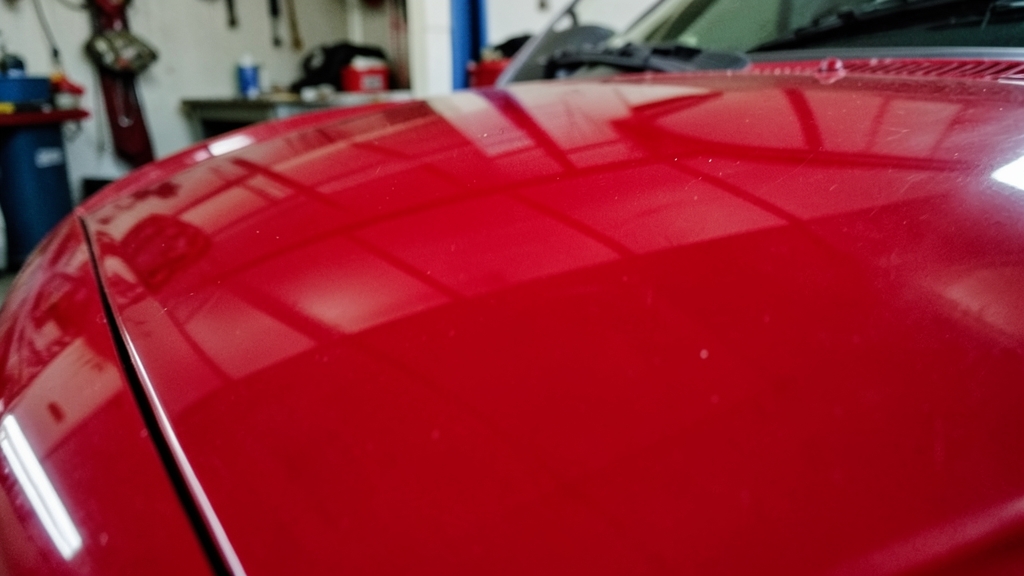
Ceramic coatings add a glossy, reflective layer that can mask minor swirls. When the coating thins, those imperfections reappear—especially under direct sunlight.
If you notice new fine scratches that weren’t there post-application, the top layer may be eroding. This is common after automatic car washes or improper drying.
Sign #3: Water Spots and Mineral Deposits Stick Like Glue
Houston’s hard water leaves mineral deposits that etch into unprotected paint. A strong ceramic coating resists these spots, but as it fails, they bond to the surface.
If spots remain after washing or require aggressive cleaning, your coating’s self-cleaning properties are diminishing. This often signals chemical or environmental breakdown.
Sign #4: The Paint Feels Rough or Gritty
Run your fingers (gently) over the surface. A failing coating often feels slightly rough due to embedded contaminants or degraded top layers.
This texture can also indicate oxidation beneath the coating, which happens when the protective layer no longer blocks UV rays effectively.
Roughness means contaminants are bonding to your clear coat. The longer you wait, the harder (and costlier) it is to correct.
Sign #5: Loss of Gloss and Depth in the Finish
Ceramic coatings enhance paint depth and mirror-like reflections. When the finish looks flat or dull, the coating’s light-refractive properties are gone.
This is often the first sign owners notice, especially on darker vehicles. It’s a clear indicator the protective layer is no longer performing.
Ceramic Coating vs. Paint Protection Film: Which Fails First?
Both protect your paint, but they degrade differently. Ceramic coatings wear down chemically and physically, while PPF (Paint Protection Film) can yellow, peel, or crack from impact.
In Houston, PPF often lasts longer against physical damage, but coatings excel in UV and chemical resistance. Many local drivers in Pearland or The Woodlands combine both for ultimate protection.
| Protection Type | UV Resistance | Scratch Resistance | Self-Healing | Lifespan (Properly Maintained) |
|---|---|---|---|---|
| Ceramic Coating | Excellent | Moderate (9H hardness) | No | 2–5 years |
| Paint Protection Film (PPF) | Good (can yellow) | High (impact-absorbing) | Yes (minor scratches) | 5–10 years |
| Hybrid (Coating + PPF) | Excellent | High | Partial | 5–7+ years |
What to Do When Your Coating Is Failing
First, assess the damage. If it’s minor, a thorough decontamination and maintenance wash may restore some performance. Use pH-neutral shampoo and a clay bar to remove embedded grime.
For severe degradation, a professional inspection is key. We often recommend paint correction followed by a fresh ceramic coating application for vehicles in Katy or Sugar Land.
Next Steps for a Failing Coating
- Wash with pH-neutral car shampoo to remove surface contaminants
- Use an iron remover to dissolve embedded brake dust and rail dust
- Clay bar the paint to pull out embedded pollutants
- Inspect for oxidation or etching beneath the coating
- Consult a pro for paint correction or reapplication
How to Test Your Ceramic Coating’s Hydrophobic Performance
A simple at-home test can reveal if your coating is still active.
- 1Clean the Surface
Wash and dry a small section of your vehicle, like the hood or roof, using a pH-neutral shampoo.
- 2Spray Water
Use a spray bottle with distilled water to avoid mineral interference. Mist the area lightly.
- 3Observe the Beading
Watch how the water behaves. Tight, round beads that roll off quickly indicate a healthy coating.
- 4Check for Sheeting
If water flattens and sheets off in a uniform layer, your coating is still performing well.
- 5Test Multiple Areas
Repeat on the front bumper, mirrors, and doors. Inconsistent beading suggests uneven wear.
Frequently Asked Questions
Can I apply a new ceramic coating over a failing one in Ceramic Coating Houston?
No. A fresh coating won’t bond properly to a degraded layer. We always remove the old coating through paint correction and polishing before applying a new one. Skipping this step risks poor adhesion and shortened lifespan.
How often should I reapply ceramic coating in Houston’s climate?
With proper maintenance, a professional-grade coating lasts 2–5 years here. However, Houston’s extreme UV and humidity may shorten this. Annual inspections help catch early signs of failure.
Will a failing ceramic coating damage my paint?
Not directly, but it leaves your paint vulnerable to UV oxidation, water spotting, and chemical etching. The longer you drive with a compromised coating, the more your clear coat degrades—especially in areas like Pasadena with high industrial fallout.
What’s a good way to maintain my ceramic coating in Texas heat?
Wash your vehicle every 1–2 weeks with pH-neutral products, and use a ceramic-safe detail spray to refresh hydrophobicity. Park in shaded areas or garages to minimize UV exposure, and avoid automatic car washes with harsh brushes.
Is paint correction necessary before reapplying ceramic coating?
Yes. Paint correction removes swirls, oxidation, and contaminants that prevent the new coating from bonding. This step ensures maximum durability and gloss, whether you’re in The Woodlands or Katy.
Can I fix water spots on a failing ceramic coating myself?
For minor spots, a water spot remover or light polish may help. But deep etching often requires professional paint correction. If the coating is already failing, DIY fixes are temporary—plan for a full reapplication soon.