What Happens If You Don’t Maintain Your Ceramic Coating in Houston in Ceramic Coating Houston, TX?
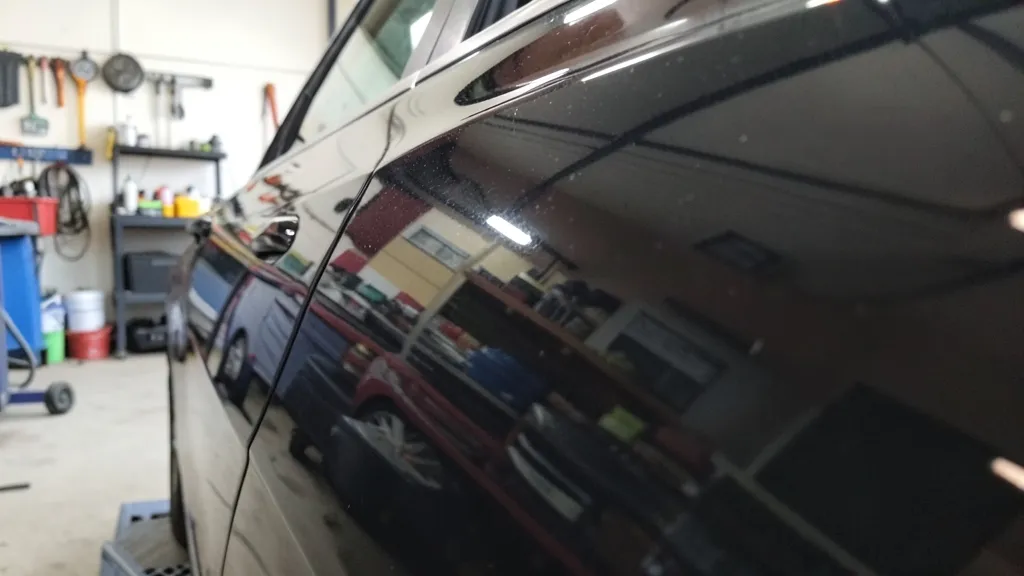
Ceramic coatings are a game-changer for vehicle paint protection, but they’re not a set-it-and-forget-it solution. In Houston’s brutal sun, humidity, and industrial fallout, skipping maintenance accelerates wear and shortens the coating’s lifespan. We’ll break down the real consequences—and how to keep your coating performing like new.
Ceramic Coatings Aren’t Invincible—Even in Houston
A quality ceramic coating forms a 9H-hardness SiO2 layer that repels water, resists UV rays, and fends off light scratches. But it’s not immune to Houston’s unique challenges: intense UV exposure, high humidity, and airborne contaminants like rail dust or petrochemical fallout.
Without upkeep, these elements degrade the hydrophobic properties faster. The coating won’t fail overnight, but its self-cleaning ability and gloss will fade prematurely.
The Domino Effect of Skipping Maintenance
First, water spots appear. Houston’s hard water leaves mineral deposits that etch into the coating if not removed promptly. These spots aren’t just ugly—they create micro-scratches that trap dirt.
Next, contaminants like bird droppings, tree sap, or iron particles bond to the surface. Over time, they oxidize and stain, requiring aggressive correction that can thin the coating or even damage the underlying paint.
Finally, the hydrophobic effect weakens. Water stops beading, and your car stays dirty longer. This isn’t just aesthetic—it means the coating’s protective barrier is compromised.
Our coastal humidity speeds up oxidation. A coating left unmaintained here can degrade 30–50% faster than in drier climates.
Maintenance vs. Neglect: Real-World Differences
A well-maintained ceramic coating in Houston can last 4–7 years. Neglected, that drops to 2–3 years—or less if the vehicle sits outside daily in areas like Pasadena or near the Ship Channel.
| Factor | Maintained Coating | Neglected Coating |
|---|---|---|
| Hydrophobic Effect | Strong beading for 3–5 years | Weakens after 1–2 years |
| Gloss Retention | Mirror-like shine sustained | Dull, hazy appearance develops |
| Contaminant Resistance | Repels bird droppings, sap, iron | Stains and etching common |
| UV Protection | Minimal oxidation or fading | Paint fades, clear coat degrades |
| Ease of Cleaning | Dirt rinses off easily | Requires scrubbing, risk of swirls |
How Houston’s Seasons Affect Your Coating
Summer’s UV index in Houston often hits 10+. Without regular washing, the coating’s sacrificial layer degrades faster, reducing its ability to block harmful rays.
Spring and fall bring pollen and industrial fallout from refineries. These contaminants cling to the surface, embedding into the coating if not removed with pH-balanced cleaners.
Winter’s occasional freezes can crack bonded contaminants, making them harder to remove. A pre-winter decontamination wash is critical for Sugar Land or Katy drivers.
The Maintenance Routine That Preserves Your Investment
Weekly washes with a pH-neutral shampoo and microfiber towels prevent buildup. Avoid automatic car washes—their brushes can introduce swirl marks, even on coated paint.
Every 3–6 months, use a clay bar or iron remover to pull embedded contaminants. This is non-negotiable in areas like The Woodlands, where tree sap and rail dust are rampant.
Houston Ceramic Coating Maintenance Checklist
- Wash weekly with pH-balanced shampoo and grit guards
- Dry with high-quality microfiber towels to prevent marring
- Apply a SiO2 spray sealant every 2–3 months to refresh hydrophobicity
- Clay bar or iron remover treatment every 3–6 months
- Park in a garage or under a cover to minimize UV and fallout exposure
- Address bird droppings, sap, or water spots within 24–48 hours
When Maintenance Isn’t Enough: Signs You Need Professional Help
If water no longer beads or sheets off, the coating’s hydrophobic layer is likely exhausted. A professional inspection can determine if a maintenance spray or full reapplication is needed.
Visible swirl marks or haze often mean the coating has thinned, and the paint underneath is exposed. In these cases, paint correction may be required before reapplying a ceramic coating or PPF in Pearland or nearby areas.
Stains that won’t come out with standard washing—especially from bird droppings or tree sap—may require a light polish. DIY attempts can damage the coating, so leave this to our team.
If your coating was applied over existing swirls or imperfections, those flaws will become more visible as the coating wears. Paint correction before application prevents this.
Ceramic Coating vs. Other Protections: Why Maintenance Still Matters
Unlike wax or sealants, ceramic coatings don’t break down quickly—but they still need care. PPF (Paint Protection Film) handles rock chips better but requires its own maintenance to prevent yellowing or edge peeling.
For maximum protection in Houston, many drivers combine PPF on high-impact areas (hood, bumper) with a ceramic coating on the rest of the vehicle. Both need regular cleaning to perform their best.
Even interior ceramic coatings or wheel/brake caliper coatings benefit from maintenance. Brake dust, for example, can fuse to unmaintained caliper coatings, making cleaning a nightmare.
How to Safely Wash a Ceramic-Coated Car in Houston
Follow these steps to clean your coated vehicle without damaging the protection.
- 1Pre-Rinse
Use a foam cannon or pressure washer to remove loose dirt. This prevents swirls during the wash process.
- 2Two-Bucket Wash
Fill one bucket with soapy water and another with clean water for rinsing your mitt. This keeps contaminants out of your wash solution.
- 3Use pH-Neutral Shampoo
Avoid harsh detergents or dish soap, which strip the coating’s hydrophobic layer. Stick to a ceramic-safe shampoo.
- 4Dry with Microfiber
Pat the surface dry with a plush microfiber towel. Never air-dry—hard water spots will form quickly in Houston’s humidity.
- 5Apply a Maintenance Spray
After drying, mist a SiO2 spray sealant to restore hydrophobicity and extend the coating’s life between washes.
Frequently Asked Questions
How often should I wash my ceramic-coated car in Houston?
Weekly washes are ideal, especially if your car sits outside. Houston’s humidity and pollution mean contaminants build up fast. If weekly isn’t possible, aim for at least every two weeks.
Can I use a pressure washer on a ceramic-coated car?
Yes, but keep the nozzle at least 12–18 inches away and use a 40-degree tip. Avoid high-pressure settings, which can lift the coating or damage PPF edges.
What’s the biggest mistake Houston drivers make with ceramic coatings?
Assuming the coating eliminates the need for washing. Many think the self-cleaning effect means they can skip maintenance. In reality, the coating reduces but doesn’t eliminate the need for regular care.
Does ceramic coating maintenance differ in Houston vs. other cities?
Absolutely. Our high humidity, UV exposure, and industrial fallout demand more frequent decontamination washes and quicker removal of bird droppings or sap. Drivers in Sugar Land or Katy may need to wash more often than those in drier areas.
Can I apply wax over a ceramic coating for extra protection?
No. Wax contains fillers and oils that can interfere with the coating’s hydrophobic properties. Stick to SiO2-based maintenance sprays designed for ceramic coatings.
How do I know if my ceramic coating is failing in Houston?
Look for water no longer beading, increased dirt adhesion, or a dull appearance. If these signs appear, the coating’s protective layer may be depleted. Request a quote for an inspection.