Why Houston’s Dust Storms Demand a High-Gloss Ceramic Coating in Ceramic Coating Houston
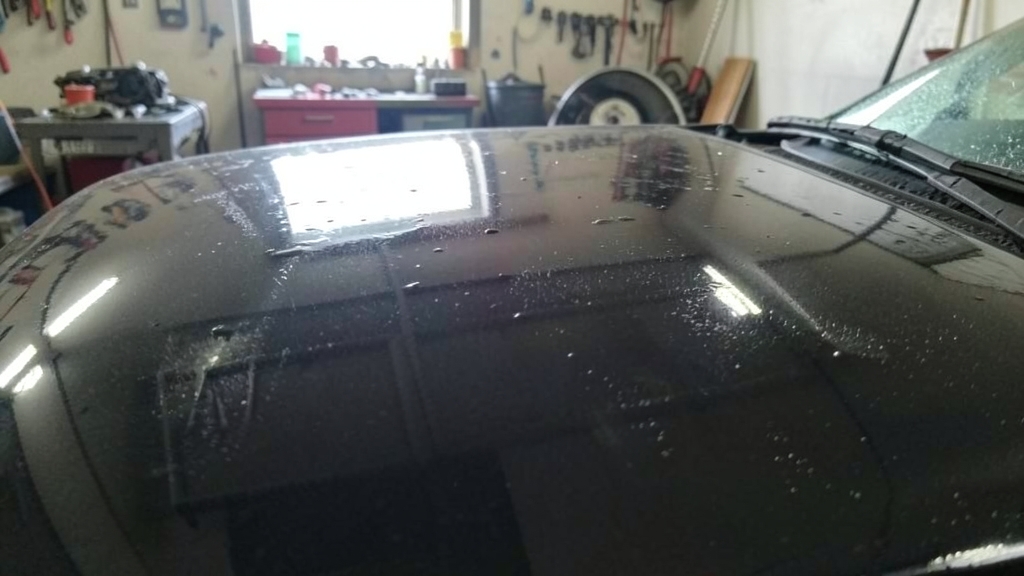
Houston’s dust storms don’t just dirty your car—they sandblast the clear coat, leaving micro-scratches and dulling the finish. A high-gloss ceramic coating creates a sacrificial layer that repels dust, resists UV fading, and keeps your vehicle looking showroom-fresh long after the storm passes.
How Dust Storms Damage Your Vehicle’s Paint
Houston’s dry, windy seasons kick up fine silica and clay particles that act like sandpaper on automotive paint. These microscopic abrasives embed in the clear coat, creating swirl marks and accelerating oxidation.
Over time, unprotected surfaces lose gloss and develop a hazy, weathered appearance. Even routine washes can’t reverse the etching caused by these particles.
What a High-Gloss Ceramic Coating Actually Does
Ceramic coatings are liquid polymers—primarily silica (SiO2) or titanium dioxide—that chemically bond to your paint at the molecular level. Once cured, they form a hydrophobic, glass-like layer that’s harder than your factory clear coat.
This layer doesn’t just shine; it repels water, dust, and contaminants, making cleanup easier and reducing the risk of scratches from abrasive debris. The 9H hardness rating means it resists minor scratches and chemical stains far better than wax or sealants.
For maximum results, we always recommend paint correction before applying a ceramic coating. This removes existing swirls and oxidation, ensuring the coating bonds to a flawless surface.
Ceramic Coating vs. Wax vs. Sealants: The Dust Storm Test
Traditional wax and synthetic sealants provide temporary protection and gloss, but they break down quickly under Houston’s intense sun and dust. Ceramic coatings, on the other hand, last years—not months—without reapplication.
Wax and sealants also lack the hardness and hydrophobic properties to fend off abrasive dust. A ceramic coating’s slick surface causes dust to slide off rather than cling and grind into the paint.
| Product | Durability | Hydrophobic? | Scratch Resistance | UV Protection |
|---|---|---|---|---|
| Carnauba Wax | 1-3 months | Moderate | Low | Minimal |
| Synthetic Sealant | 4-6 months | High | Low-Moderate | Moderate |
| Ceramic Coating | 2-5+ years | Very High | High (9H) | Very High |
Why Houston’s Climate Makes Ceramic Coatings a Must
Houston’s humidity, UV exposure, and dust storms create a perfect storm for paint damage. The sun’s rays fade and oxidize paint, while dust and pollen etch the surface over time.
A ceramic coating’s UV-resistant properties prevent fading, while its hydrophobic nature repels water and contaminants. This combo keeps your car looking newer, longer—even in the harshest local conditions.
Many DIY ceramic coating kits lack the purity and concentration of professional-grade products. Improper application can lead to streaking, uneven curing, or reduced durability. Trust a local expert for flawless results.
Beyond Paint: Full-Vehicle Protection Options
Ceramic coatings aren’t just for paint. We apply them to wheels, brake calipers, and even headlights to prevent brake dust buildup, corrosion, and yellowing. Interior ceramic protection guards against UV damage and stains on leather, plastic, and vinyl.
For ultimate defense, pair a ceramic coating with Paint Protection Film (PPF). PPF absorbs impacts from road debris, while the ceramic coating adds gloss and repels contaminants. This duo is popular for luxury and high-end vehicles in areas like The Woodlands and Katy.
How Long Does a Ceramic Coating Last in Houston?
Professional-grade ceramic coatings typically last 2 to 5 years, depending on the product, maintenance, and exposure to harsh conditions. Houston’s climate can shorten this lifespan slightly, but proper care extends it significantly.
Regular washing with pH-neutral soaps and avoiding automatic car washes with harsh brushes helps preserve the coating’s integrity. Annual inspections let our team touch up any areas showing wear.
Maintenance Tips to Maximize Your Coating’s Life
Wash your vehicle every 1-2 weeks using the two-bucket method to avoid swirl marks. Always use a high-quality microfiber wash mitt and pH-balanced car shampoo to prevent stripping the coating.
Apply a ceramic-boosting spray every 3-6 months to refresh hydrophobicity. Avoid wax or sealants, as they can leave residues that interfere with the coating’s performance.
Ceramic Coating Care Checklist
- Wash with pH-neutral shampoo biweekly
- Use microfiber towels for drying
- Apply ceramic spray booster every 6 months
- Avoid automatic car washes with brushes
- Park in a garage or shaded area when possible
How to Prepare Your Car for a Ceramic Coating
Proper prep is 90% of a successful ceramic coating application.
- 1Thorough Wash
Start with a deep clean using a pH-neutral shampoo to remove all surface contaminants, including wax, grease, and road grime.
- 2Clay Bar Treatment
Use a clay bar to pull embedded contaminants like industrial fallout and tar from the paint. This step ensures a smooth surface for the coating to bond to.
- 3Paint Correction
Polish the paint to remove swirl marks, oxidation, and minor scratches. This step is critical for achieving a mirror-like finish under the coating.
- 4IPA Wipe-Down
Perform a final wipe-down with isopropyl alcohol (IPA) to remove any remaining oils or residues. This ensures the paint is completely clean before coating application.
- 5Controlled Environment
Apply the coating in a dust-free, climate-controlled space. Humidity and temperature affect curing, so professionals use specialized booths for optimal results.
Frequently Asked Questions
Can a ceramic coating protect my car from Houston’s dust storms?
Absolutely. A ceramic coating’s hard, slick surface repels dust and prevents it from embedding in your paint. While it won’t stop all scratches, it significantly reduces the damage caused by abrasive particles during dust storms.
How often should I reapply a ceramic coating in Houston?
Professional ceramic coatings last 2-5 years, but Houston’s intense UV and dust may require a refresh every 2-3 years. Annual inspections help determine when a touch-up or reapplication is needed.
Is ceramic coating worth it for older cars?
Yes, especially if the paint is in good condition. We often perform paint correction first to restore the finish before applying the coating. It’s a cost-effective way to protect and rejuvenate older vehicles in areas like Pasadena or Pearland.
Can I apply a ceramic coating myself?
While DIY kits exist, professional application ensures even coverage, proper curing, and maximum durability. Improper application can lead to streaks, uneven gloss, or premature failure. For best results, trust a local expert.
Does ceramic coating prevent water spots?
Yes. The hydrophobic properties of a ceramic coating cause water to bead and roll off, reducing the risk of water spots. However, in Houston’s hard water areas, it’s still best to dry your car quickly after rain to prevent mineral deposits.
What’s the difference between ceramic coating and PPF?
Ceramic coatings provide a hard, glossy layer that repels contaminants and resists UV damage, while Paint Protection Film (PPF) is a thick, self-healing urethane film that absorbs impacts from road debris. Many Houston drivers combine both for ultimate protection.