Why a Mirror-Finish Polish is Essential Before Ceramic Coating in Houston in Ceramic Coating Houston, TX
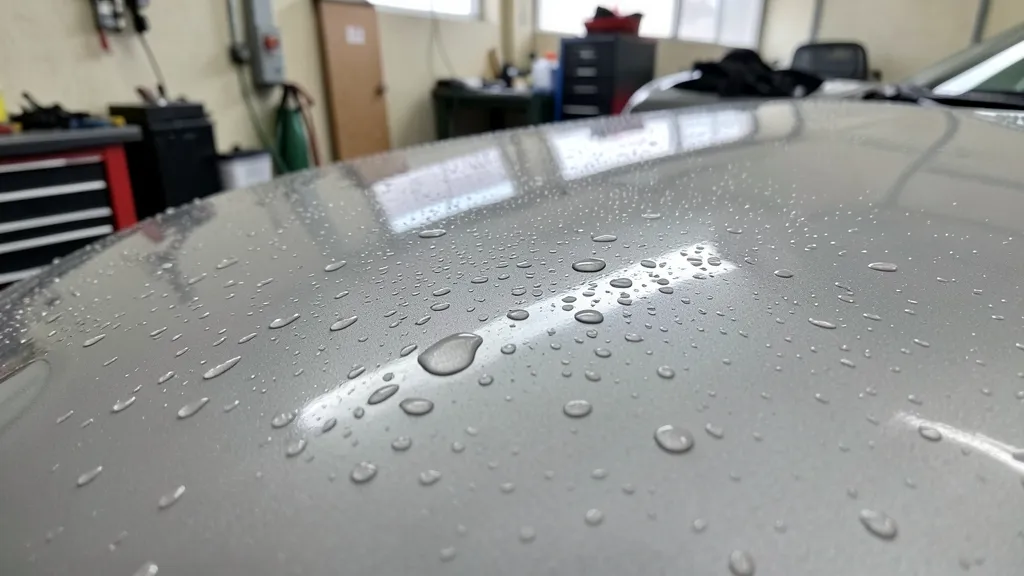
A mirror-finish polish isn’t just about looks—it’s the foundation for a ceramic coating that lasts. Without proper paint correction, imperfections get locked under the coating, ruining the finish and durability. We’ll explain why Houston’s climate makes this step non-negotiable.
Ceramic Coating Needs a Flawless Surface to Bond Properly
Ceramic coatings bond at a molecular level to your vehicle’s clear coat. If the surface has swirls, scratches, or oxidation, the coating can’t adhere evenly, leading to premature failure.
In Houston’s intense sun and humidity, uneven adhesion accelerates peeling and reduces hydrophobic performance. A mirror finish ensures maximum contact and longevity.
What Paint Correction Fixes Before Coating
Paint correction removes swirl marks, water spots, and light scratches using abrasive polishes and a dual-action polisher. This step restores clarity and depth to the paint.
Oxidation and etching from Houston’s acidic rain or hard water are common. Correcting these defects prevents them from being permanently sealed under the ceramic layer.
| Defect | Cause | Correction Method |
|---|---|---|
| Swirl Marks | Improper washing or drying | Fine abrasive polish + foam pad |
| Water Spots | Mineral deposits from hard water | Clay bar + light polishing compound |
| Oxidation | UV exposure and age | Heavy-cut polish + oxidation remover |
| Micro-Scratches | Automatic car washes or debris | Jewelry-grade polishing compounds |
| Etching | Bird droppings or acidic contaminants | Wet-sanding (severe cases) + polishing |
Houston’s Climate Demands Extra Attention to Paint Prep
Our high humidity and UV index speed up paint degradation. Without correction, contaminants embed deeper, making them harder to remove later.
Salt air from the Gulf and industrial pollutants in areas like Pasadena or Sugar Land can etch paint faster. A thorough polish ensures these are eliminated before coating.
Applying ceramic coating over uncured or contaminated paint can trap defects, causing hazing or reduced gloss. In Houston’s heat, this often leads to early delamination.
The Mirror-Finish Process: More Than Just Shine
A true mirror finish involves multiple stages: washing, decontamination (clay bar), and progressive polishing with finer grits. This ensures no defects remain.
We use professional-grade compounds and pads tailored to your paint’s hardness. Softer paints (common on luxury vehicles) require gentler approaches than domestic trucks.
How Paint Correction Enhances Ceramic Coating Performance
A perfectly smooth surface amplifies the coating’s hydrophobic effect. Water beads tighter and rolls off faster, reducing water spots and making maintenance easier.
Gloss levels also improve dramatically. Ceramic coatings enhance depth and reflectivity, but only if the underlying paint is defect-free. This is especially noticeable on dark vehicles in The Woodlands or Katy.
For high-impact areas like hoods and bumpers, combine paint correction with Paint Protection Film (PPF) before ceramic coating. This layered approach defends against rock chips and scratches.
DIY vs. Professional Paint Correction: Why We Don’t Recommend DIY
DIY polishing often misses defects or creates new ones. Improper technique can burn through clear coat, especially on edges or curved panels.
Professionals use color-matched test panels, paint thickness gauges, and controlled lighting to verify a true mirror finish. This precision is critical for ceramic coating adhesion.
Signs You Need Professional Paint Correction
- Visible swirl marks under direct sunlight
- Dull or hazy paint despite washing
- Water spots that don’t wash off
- Fading or oxidation on horizontal surfaces
- Rough texture when running a hand over the paint
Maintaining Your Mirror Finish and Ceramic Coating
After coating, use pH-neutral car shampoos and microfiber towels to avoid reintroducing swirls. Avoid automatic car washes with brushes—they’re notorious for marring paint.
Regular decontamination washes (every 3-6 months) remove embedded grit. For vehicles in Pearland or Sugar Land, more frequent washes may be needed due to pollen and dust.
How to Prepare Your Vehicle for Ceramic Coating After Paint Correction
Follow these steps to ensure your paint is ready for ceramic coating application.
- 1Deep Clean and Decontaminate
Wash the vehicle with a high-foam, pH-balanced shampoo, then use a clay bar to remove embedded contaminants. This step is critical for Houston’s pollen-heavy seasons.
- 2Inspect Under Direct Light
Check the paint under halogen or LED lights to spot swirls, scratches, or holograms. Mark areas needing correction.
- 3Perform Multi-Stage Polishing
Start with a heavy-cut compound for deep defects, then refine with a medium and fine polish. Use a dual-action polisher to avoid burning the paint.
- 4Verify with a Paint Thickness Gauge
Measure clear coat thickness before and after polishing to ensure you haven’t removed too much material. This is non-negotiable for long-term durability.
- 5Final Wipe-Down with IPA Solution
Use a 50/50 isopropyl alcohol and water mix to remove any remaining oils or polish residues. This ensures a clean surface for the ceramic coating to bond.
Frequently Asked Questions
How long does paint correction take before ceramic coating in Houston?
A full correction can take 1-3 days, depending on the vehicle’s size and paint condition. Severe defects or large vehicles (like fleet trucks) may require more time. Request a quote for an exact estimate.
Can I ceramic coat over existing swirl marks?
No. Ceramic coating will not hide or fill swirl marks—it will magnify them. Correction is mandatory for a flawless finish, especially under Houston’s harsh sunlight.
Does paint correction remove all scratches?
It removes light to moderate scratches and swirls. Deep scratches that penetrate the clear coat may need wet-sanding or touch-up paint before correction and coating.
Is paint correction necessary for new cars in Houston?
Yes. Even new cars often have dealer-installed swirls, rail dust, or factory defects. A light correction ensures the ceramic coating adheres perfectly from day one.
How often should I reapply ceramic coating after correction?
Professional ceramic coatings last 2-5 years, but Houston’s climate can shorten this. Regular maintenance (washing, decontamination) extends lifespan. Reapply as needed based on wear.
Do you offer paint correction for ceramic coating in Katy or The Woodlands?
Yes, we serve all of Houston and surrounding areas, including Katy, The Woodlands, Pearland, and Sugar Land. Our mobile team can also handle fleet or commercial vehicles on-site.