Why a Grit Guard Is Essential for Safe Ceramic Coating Washes in Houston in Ceramic Coating Houston, TX
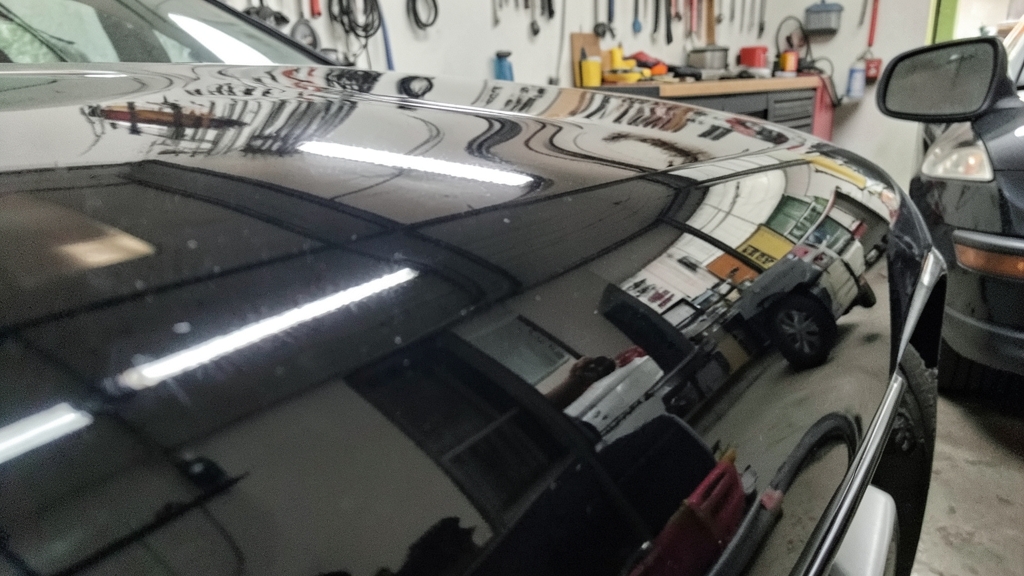
A single wash with contaminated water can undo months of protection on your ceramic-coated vehicle. In Houston’s hard water and dusty conditions, a grit guard isn’t just helpful—it’s a necessity to preserve your coating’s integrity and gloss.
What a Grit Guard Actually Does
A grit guard sits at the bottom of your wash bucket, trapping dirt and debris so they don’t get picked up by your mitt. Without one, you’re essentially grinding contaminants into your ceramic coating every time you wash.
It works by creating a barrier that forces heavy particles to settle below the guard’s ridges. This keeps your mitt clean and your paint safe, even in Houston’s gritty spring pollen season.
How Houston’s Conditions Demand Extra Protection
Houston’s humid climate and frequent road construction kick up fine abrasives that cling to your vehicle. These particles are invisible but devastating to ceramic coatings if dragged across the surface.
Hard water minerals in our tap supply can also leave deposits that a grit guard helps mitigate by reducing recontamination during the wash process.
Houston’s water hardness can etch into unprotected surfaces over time. A grit guard minimizes this risk by keeping abrasive minerals out of your wash media.
Grit Guard vs. No Grit Guard: The Damage Difference
Without a grit guard, even a ‘gentle’ wash can inflict micro-scratches that dull your ceramic coating’s hydrophobic properties. Over time, these scratches accumulate, reducing the coating’s lifespan and gloss.
| Factor | With Grit Guard | Without Grit Guard |
|---|---|---|
| Swirl Marks | Minimal to none | High risk after repeated washes |
| Coating Longevity | Extended (5+ years with proper care) | Reduced (visible degradation in 2-3 years) |
| Hydrophobic Performance | Maintained | Diminishes faster |
| Wash Efficiency | Faster (cleaner mitt = fewer passes) | Slower (constant rinsing needed) |
The Two-Bucket Method: Your Grit Guard’s Best Friend
Pairing a grit guard with the two-bucket method—one for soap, one for rinsing your mitt—doubles your defense against cross-contamination. This is non-negotiable for vehicles with ceramic coatings, PPF, or ceramic window tint.
In areas like Katy or The Woodlands, where dust storms are common, this setup prevents the ‘sandpaper effect’ that can strip wax or dull coatings prematurely.
Two-Bucket Wash Setup
- Fill one bucket with soapy water and a grit guard
- Fill a second bucket with clean water and a second grit guard for rinsing
- Always rinse your mitt in the clean bucket before reloading with soap
- Dry with a high-quality microfiber towel to avoid water spots
Signs Your Wash Process Is Harming Your Coating
If your ceramic-coated vehicle loses its beading effect or starts showing fine scratches under direct light, your wash method is likely the culprit. These are early warnings that abrasives are breaking down the coating.
Another red flag: water no longer sheets off cleanly, indicating the hydrophobic layer is compromised. This often happens faster in Sugar Land or Pearland due to higher pollen counts.
If you notice minor swirls, a professional paint correction followed by a ceramic coating touch-up can restore protection. Skip DIY compounds—they can strip coatings if misused.
Grit Guard Materials: What to Look For
Not all grit guards are equal. Look for heavy-duty plastic or stainless steel guards with deep ridges to maximize debris trapping. Cheap, shallow guards won’t cut it for Houston’s harsh conditions.
Avoid guards with sharp edges, which can snag mitts or scratch buckets. Our team recommends guards that fit snugly in standard 5-gallon buckets for stability during vigorous washing.
Beyond the Grit Guard: Full Protection for Houston Drivers
While a grit guard is critical, it’s just one part of a full protection strategy. Pair it with regular decontamination washes (especially after road trips to Pasadena’s industrial zones) and annual inspections of your ceramic coating’s integrity.
For maximum defense, consider adding paint protection film to high-impact areas like the hood and bumper. Many of our clients in The Woodlands combine PPF with ceramic coatings for layered security against rock chips and bug splatter.
How to Use a Grit Guard Like a Pro
Follow these steps to maximize your grit guard’s effectiveness and protect your ceramic coating.
- 1Prep Your Buckets
Place a grit guard in the bottom of each bucket (one for soap, one for rinsing). Fill with water and add car shampoo to the wash bucket only.
- 2Pre-Rinse the Vehicle
Use a pressure washer or hose to remove loose dirt before touching the surface with a mitt. This reduces the load on your grit guard.
- 3Wash in Sections
Work from the top down, washing one panel at a time. After each pass, rinse your mitt in the clean bucket, rubbing it against the grit guard to release debris.
- 4Reload Soap Properly
Dip your mitt into the soapy bucket, but avoid pressing it to the bottom—let the grit guard do the filtering. Re-soap as needed.
- 5Final Rinse and Dry
Rinse the vehicle thoroughly with the pressure washer, then dry with a clean microfiber towel to prevent water spots, which are common in Houston’s humid air.
Frequently Asked Questions
Can I use a grit guard with any type of ceramic coating?
Yes, grit guards are safe and recommended for all ceramic coatings, including those on wheels, brake calipers, or interior surfaces. They’re especially critical for high-gloss finishes where swirls are most visible.
How often should I clean my grit guard?
Rinse your grit guard after every wash to remove trapped debris. For a deep clean, scrub it with a soft brush and mild soap weekly, especially if you’re washing vehicles in dusty areas like Pasadena or Katy.
Will a grit guard work with the foam cannon method?
A grit guard is less critical with a foam cannon since the foam lifts dirt before contact. However, we still recommend using one in your rinse bucket for the final mitt passes to catch any remaining contaminants.
Does a grit guard replace the need for paint correction before ceramic coating?
No. A grit guard prevents new damage but won’t fix existing swirls or scratches. For Ceramic Coating Houston applications, professional paint correction is a must to ensure a flawless base layer.
What’s the biggest mistake Houston drivers make when washing ceramic-coated cars?
Skipping the grit guard and using a single bucket risks cross-contamination, which accelerates coating wear—especially in our climate, where pollen and road grime are constant threats.